
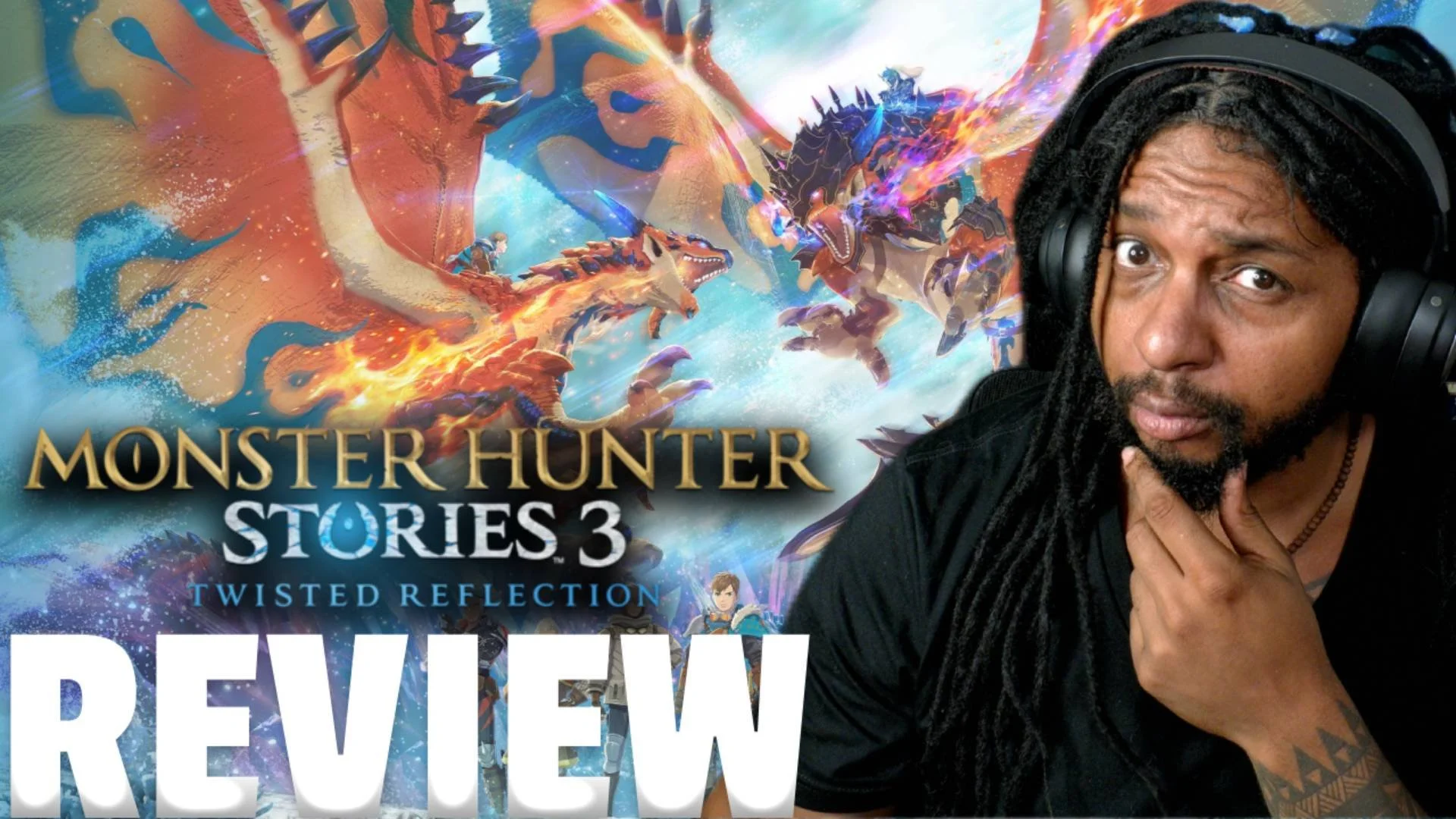
Monster Hunter Stories 3: Twisted Reflection Review
“Review code provided by Capcom”
A World Where Bonds Roar Louder Than War
There’s something quietly powerful about Monster Hunter Stories 3: Twisted Reflection. It doesn’t kick the door down like its action-heavy cousins. Instead, it pulls you in with a whisper… then hands you a story that lingers like embers long after you put the controller down.
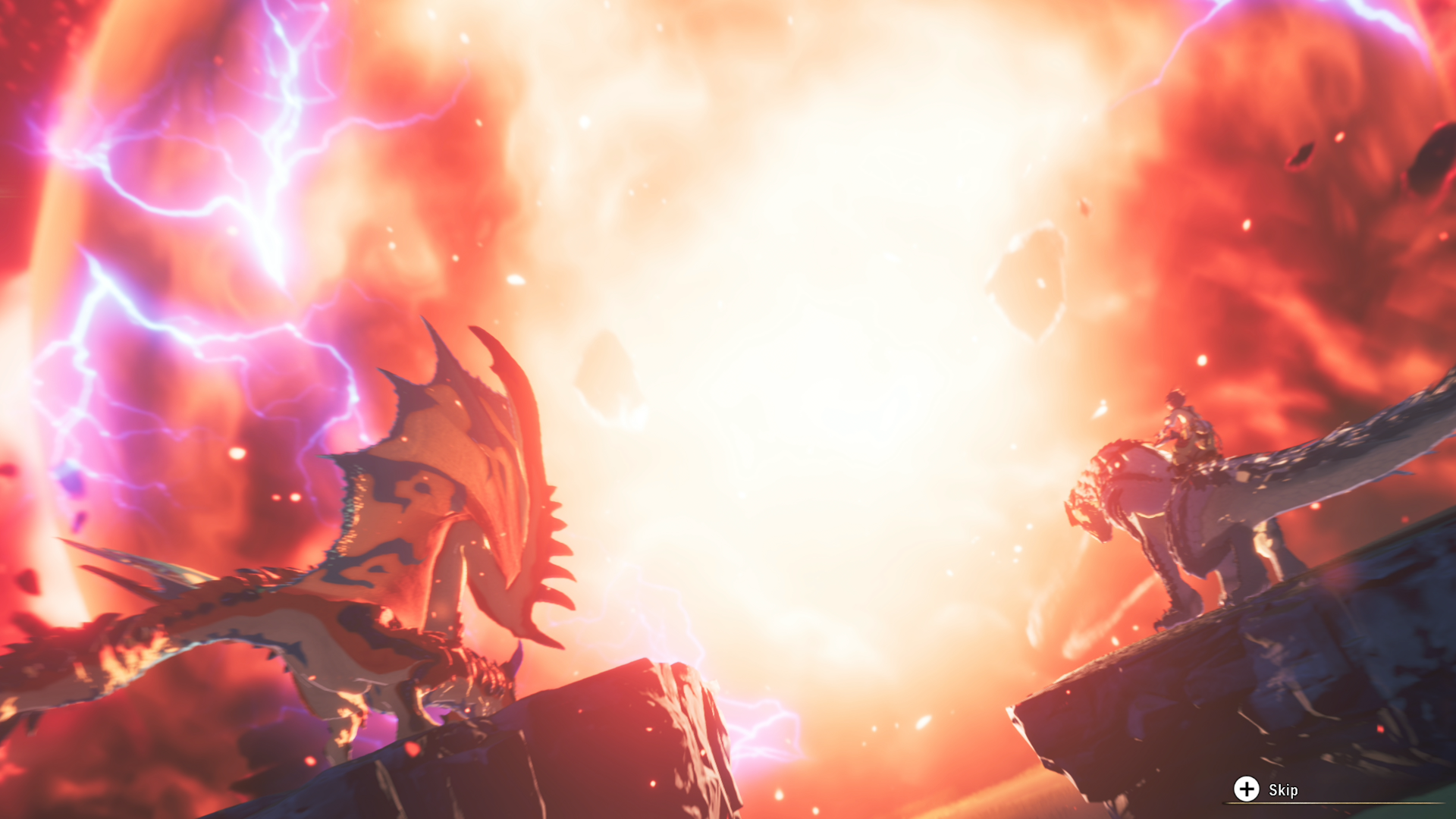
Set in the kingdom of Azuria, the game opens with the birth of twin Skyscale Rathalos, a moment so rare it feels myth carved into reality. But instead of celebration, it sparks fear… and a decision that casts a shadow across years to come.
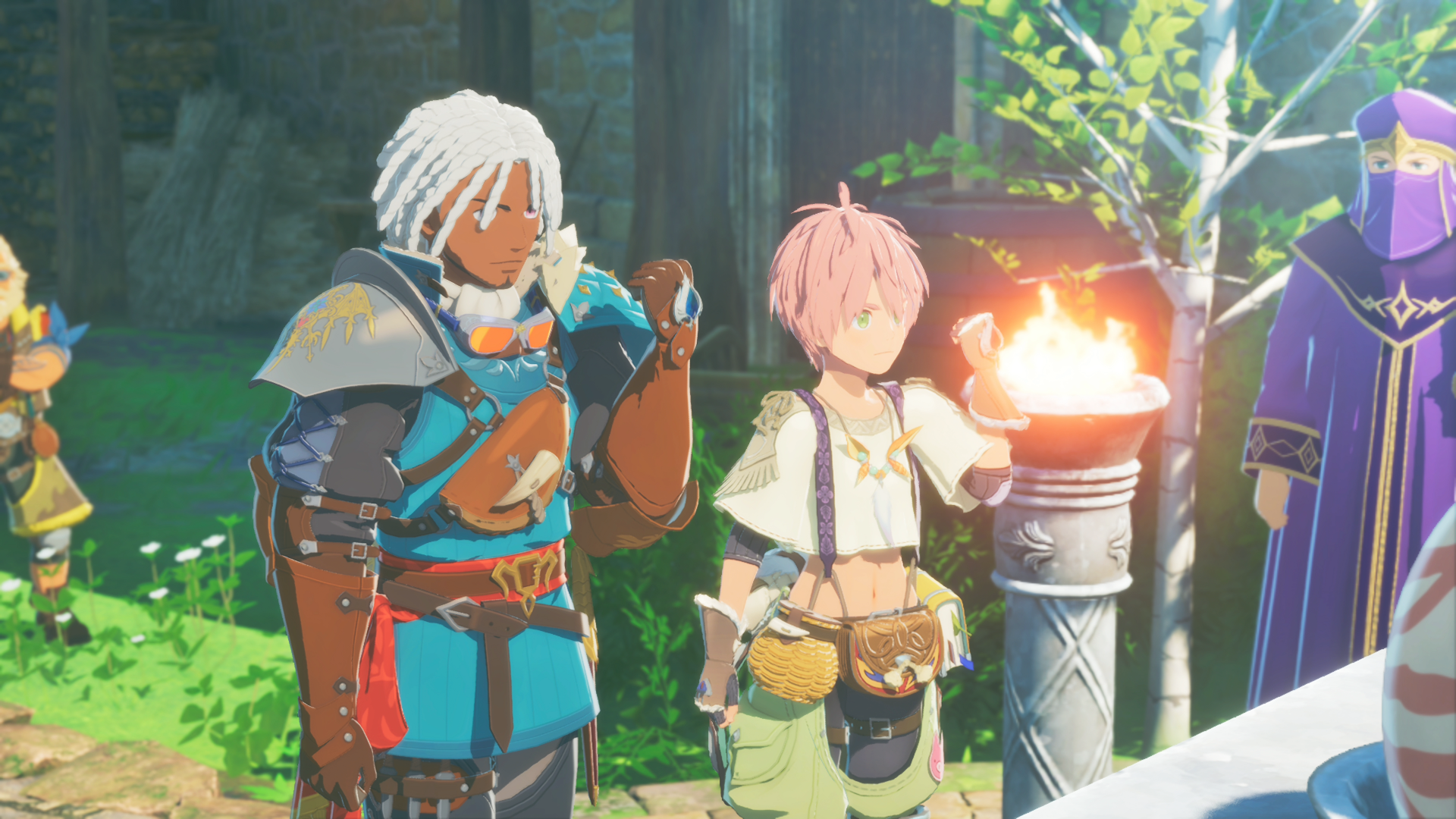
You step into the role of Azuria’s prince or princess, now captain of the Rangers, tasked with maintaining harmony between humans, monsters, and the fragile ecosystems they share. Alongside your loyal Palico companion Rudy and your Monstie partner Ratha, you’re thrown into a world unraveling under a mysterious crystallization plague… with war quietly sharpening its blade in the background.
This is where Twisted Reflection separates itself. It isn’t just about monsters. It’s about consequences.
🌿 Story & Characters – Where the Series Grows Up (…Mostly)
This is easily the most ambitious narrative the Stories series has attempted.
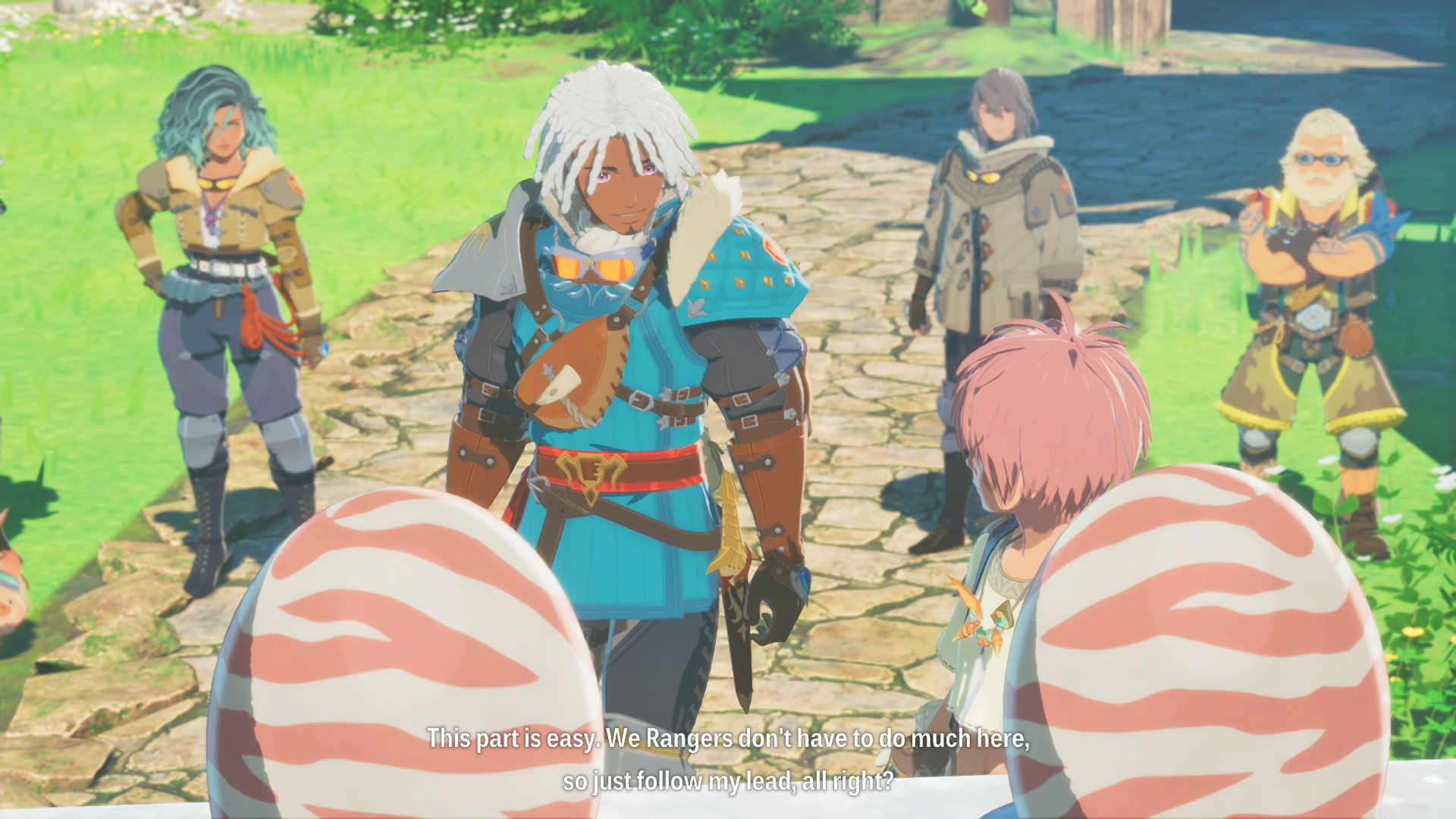
Characters feel fuller, more grounded. Eleanor, the second princess of Vermeil, stands out immediately, not just as political tension embodied, but as someone navigating the same fractured world from the opposite side. Even side characters like Corbin and PK leave an impression, which wasn’t always the case in previous entries.
But here’s where things get… tonally conflicted.
The game wants to tell a mature, sometimes bittersweet story about war, environmental collapse, and responsibility. And it does. But it also clings to its more playful DNA, tossing in cat puns, Poogie races, and whimsical side quests that feel like they wandered in from a different game entirely.
It creates a strange duality:
One moment you’re confronting the cost of war
The next you’re chasing dressed-up piglets across mushroom tracks
It’s not a dealbreaker, but it does feel like the series is still figuring out its identity… like a teenager trying on different versions of itself in the mirror.
Still, when the story hits, it hits. And the environmental themes woven throughout give it a surprising amount of weight.
⚔️ Gameplay – Strategy Over Speed, Mind Over Muscle
Forget twitch reflexes. Twisted Reflection is a thinking player’s game.
Combat revolves around a rock-paper-scissors system:
Technical beats Speed
Speed beats Power
Power beats Technical
Simple on paper. Surprisingly layered in execution.
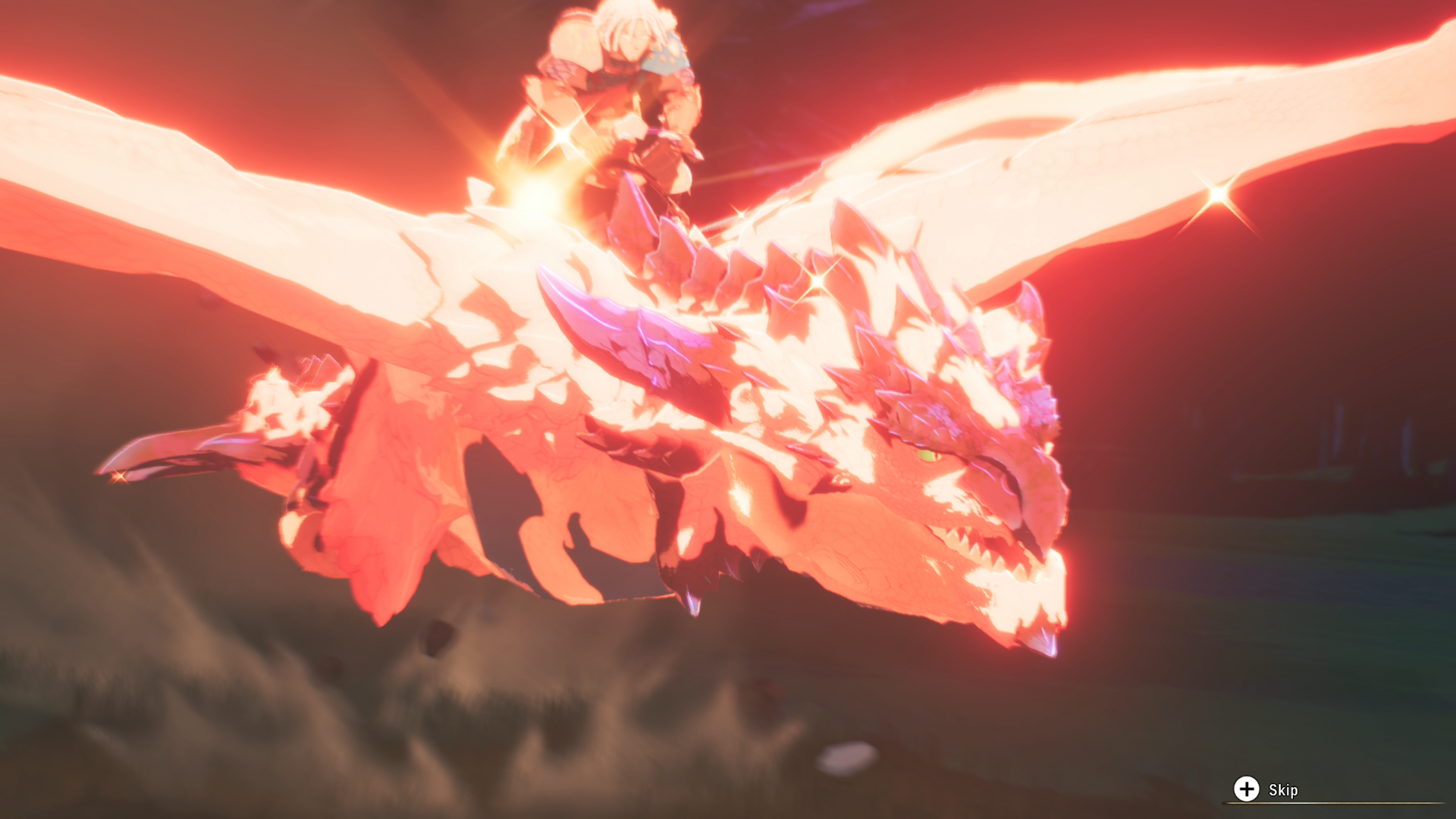
Each encounter becomes a rhythm of prediction and adaptation. You learn enemy patterns, break body parts to weaken attacks, and build toward powerful Kinship abilities that let you ride your Monstie and unleash cinematic finishers.
And then there’s the real secret sauce: team synergy.
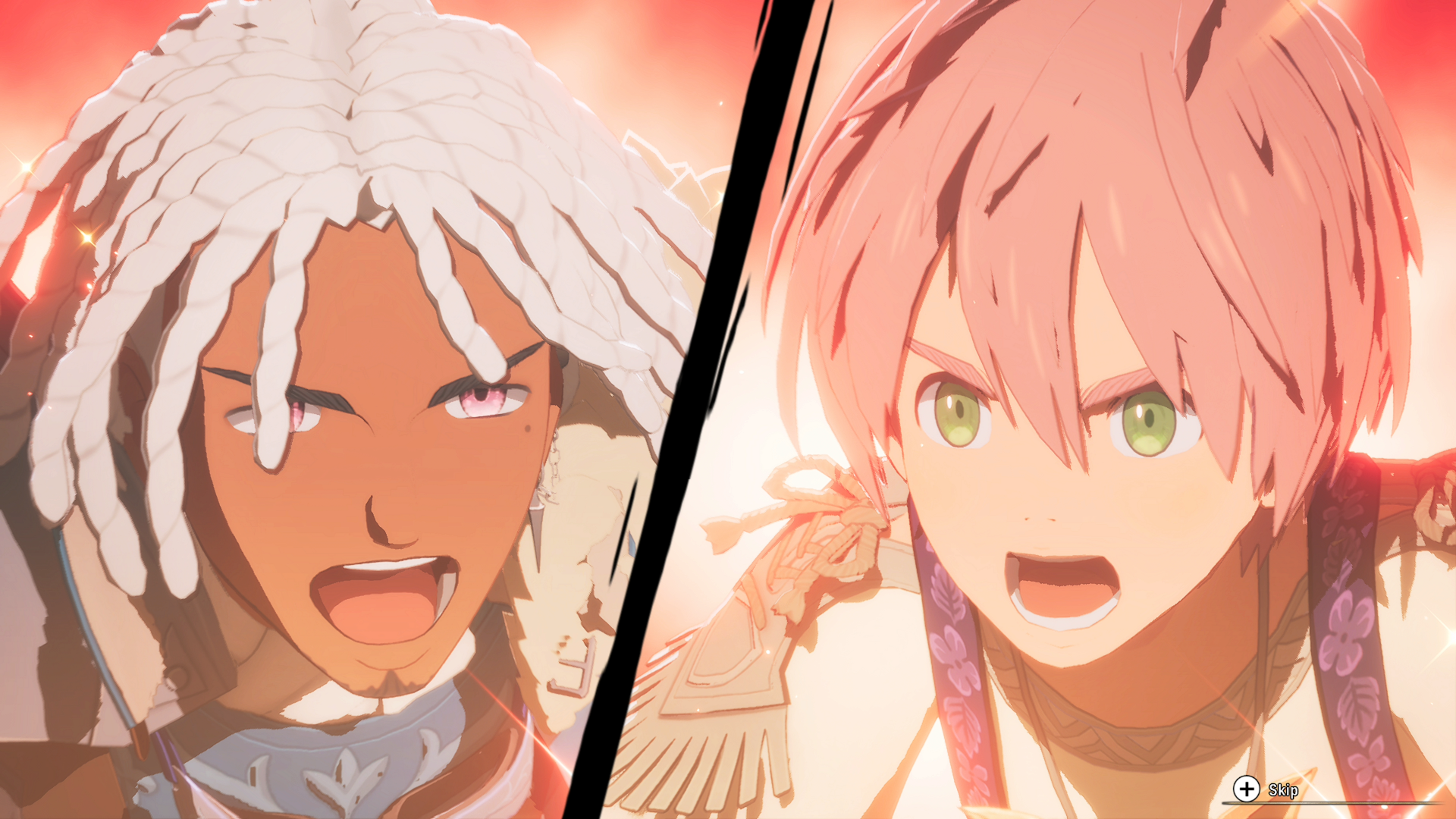
Landing coordinated attacks builds your Kinship gauge faster, unlocking devastating Double Kinship moves when synced with allies. It’s one of those systems that feels invisible at first… until suddenly you’re orchestrating battles like a conductor mid-symphony.
But not everything lands cleanly.
The AI controlling your Ranger allies can feel like that one teammate who insists on doing their own thing:
Ignoring obvious counters
Forgetting healing exists
Choosing chaos at the worst possible moment
It adds unpredictability, but not always the good kind.
🌍 Exploration & Customization – Your Adventure, Your Ecosystem
Outside of combat, the game opens up beautifully.
Each Monstie isn’t just a battle partner, it’s a traversal tool:
Swim across lakes
Dive underground
Access hidden regions
Exploration feels purposeful, constantly rewarding curiosity with new monsters, materials, and secrets.
The habitat restoration system is a standout. Instead of just collecting monsters, you’re actively rebuilding ecosystems:
Drive out invasive threats
Recover endangered species
Repopulate regions
Unlock rare mutations
It turns progression into something more meaningful than just leveling up. You’re not just stronger. You’re restoring balance.
And then there’s the Rite of Channeling.
This is where the game quietly becomes a playground for min-maxers and creative builders. Transferring genes between monsters lets you craft wildly unique builds, turning your roster into a fully customized squad of tactical weapons.
My Nargacuga variant ended up feeling less like a monster… and more like a carefully engineered masterpiece.
🎨 Presentation – Colorful, Expressive, Occasionally Repetitive
Visually, Twisted Reflection is vibrant and alive.
Environments feel handcrafted, characters are expressive, and battles carry a cinematic flair that makes even routine encounters feel engaging.
That said, monster variety can feel a bit recycled at times. You’ll notice familiar silhouettes with different color palettes more often than you’d like.
Audio, however, delivers across the board:
Strong English voice performances
Monsters that sound genuinely threatening
A soundtrack that balances intensity with emotional resonance
The ending theme especially lands like a soft exhale after a long journey.
🧾 Final Verdict – A Series Finding Its True Form
Monster Hunter Stories 3: Twisted Reflection feels like a series mid-evolution.
Not quite the fully matured version of itself… but undeniably closer than ever.
It stumbles in tone, wrestles with identity, and occasionally lets its systems trip over themselves. But what it gets right? It soars.
This is a deeper, more strategic, more emotionally ambitious entry that rewards patience, curiosity, and thoughtful play.
If you’re into monster collecting with actual depth, layered combat, and a story that dares to stretch beyond its comfort zone, this is one ride worth taking.