
Code Vein II Review
Release Date: January 29th, 2026
Platforms: PlayStation 5, Xbox Series, Windows PC
Developer: BANDAI NAMCO Studios
Genres: SoulsLike, Role-playing game, Action game
Engine: Unreal Engine 5
Publisher: BANDAI NAMCO Entertainment
“Review Copy Provided By Bandai-Namco”
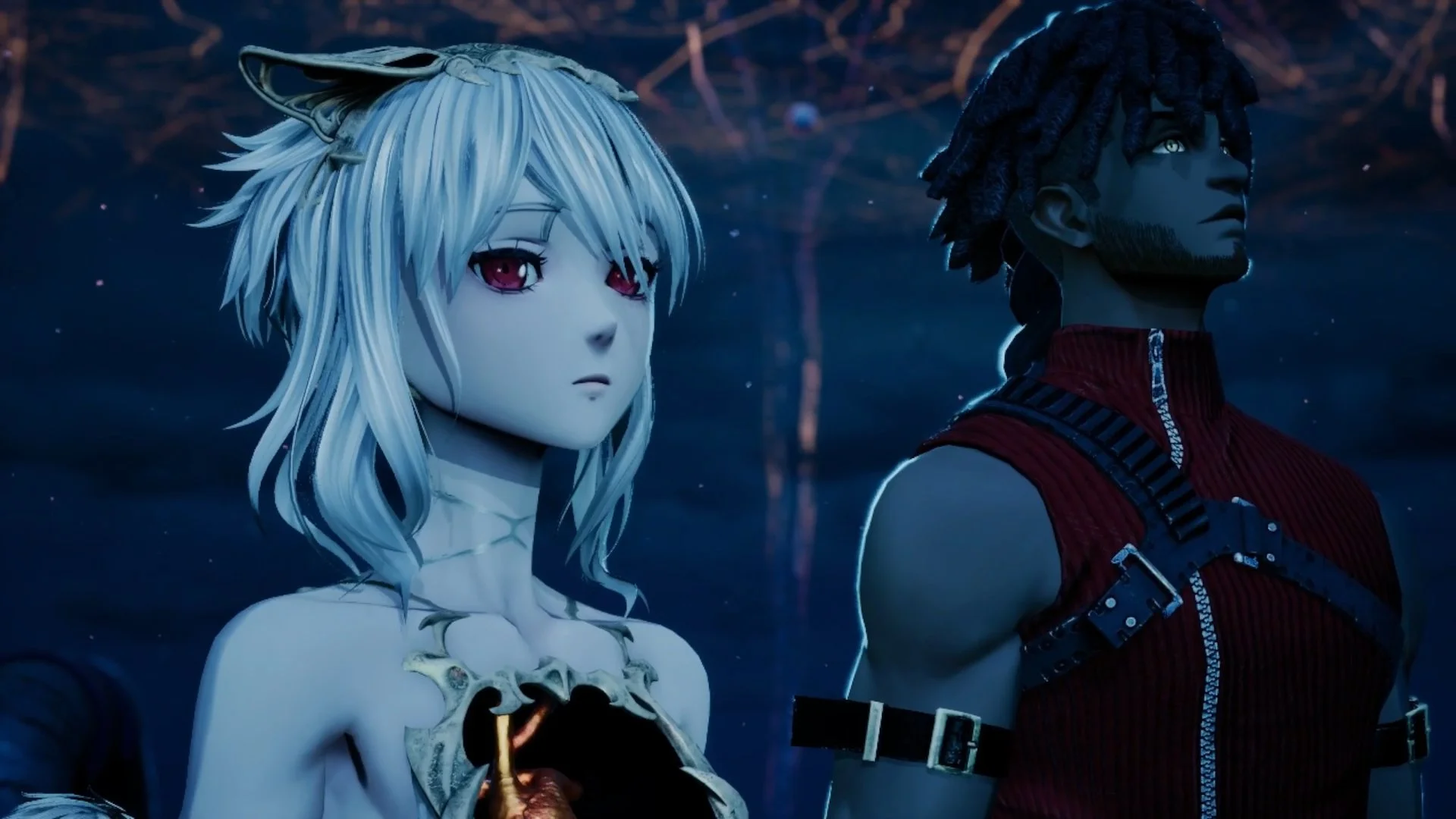
Code Vein II builds on everything that made the original 2019 release such a cult favorite: flashy Soulslike combat, anime-apocalypse vibes, and a world dripping in tragedy and style. This sequel doesn’t just “do the same thing again,” though. It reshapes the core systems into something bigger, deeper, and far more customizable, with a new cast, a new setting, and a storyline that stretches across multiple timelines.
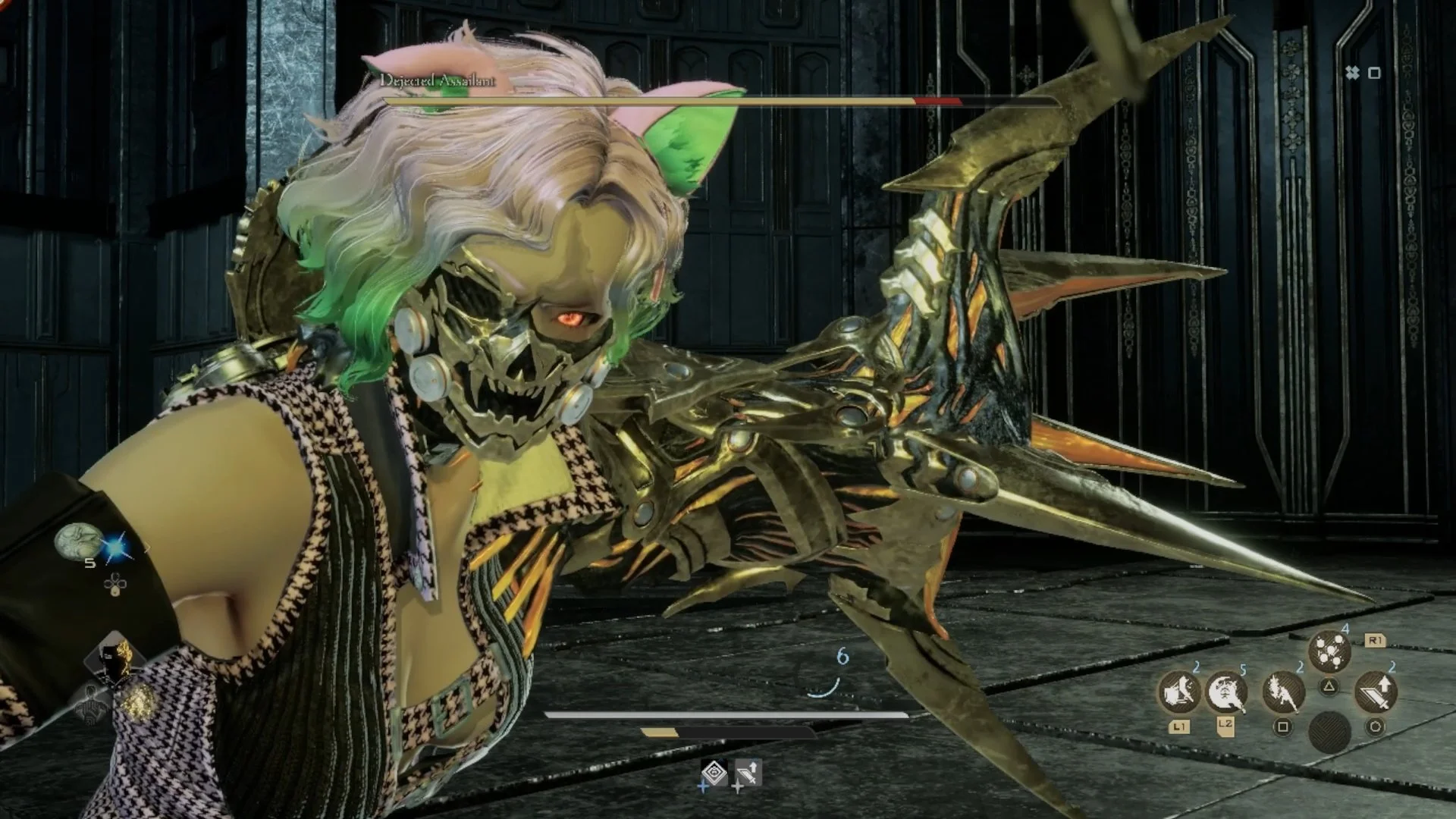
Set in a future where humans and Revenants exist together in a collapsing world, the game centers around a catastrophe called The Resurgence, a phenomenon that turns living beings into mindless monsters. A past attempt to seal it failed, birthing a deadly threat known as Luna Rapacis, accelerating the downfall of Revenants into “Horrors” and pushing civilization to the brink.
A Bigger World With More to Uncover
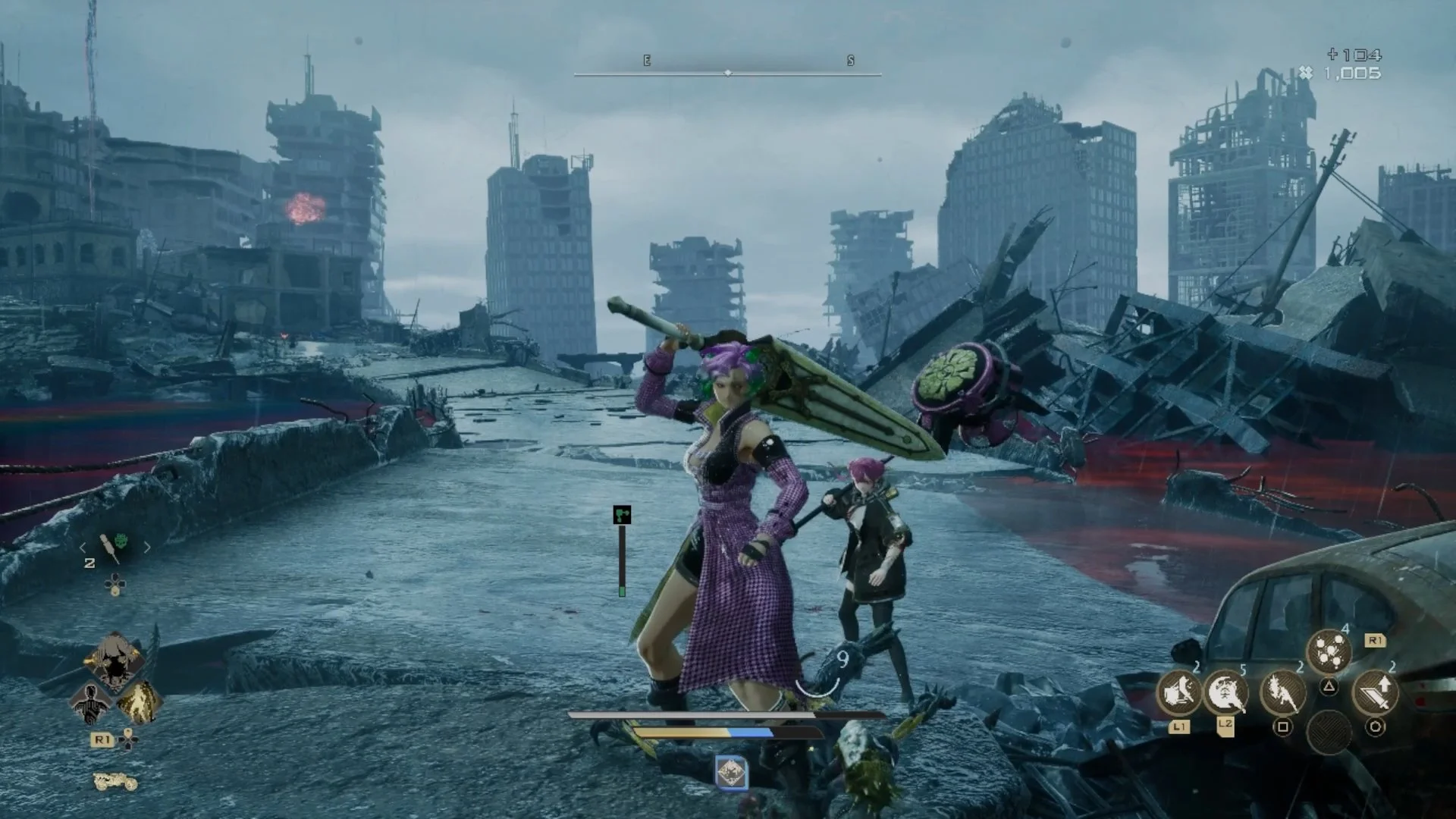
Exploration feels more expansive this time around. Code Vein II’s world is larger than the original, and the game encourages players to roam off the beaten path for secrets, resources, and side quest discoveries. Map visibility is also tied to progression, with obscured areas revealed by hunting down and destroying Map Jammers, creating a natural push to explore and “clear the fog” like a scavenger on a mission.
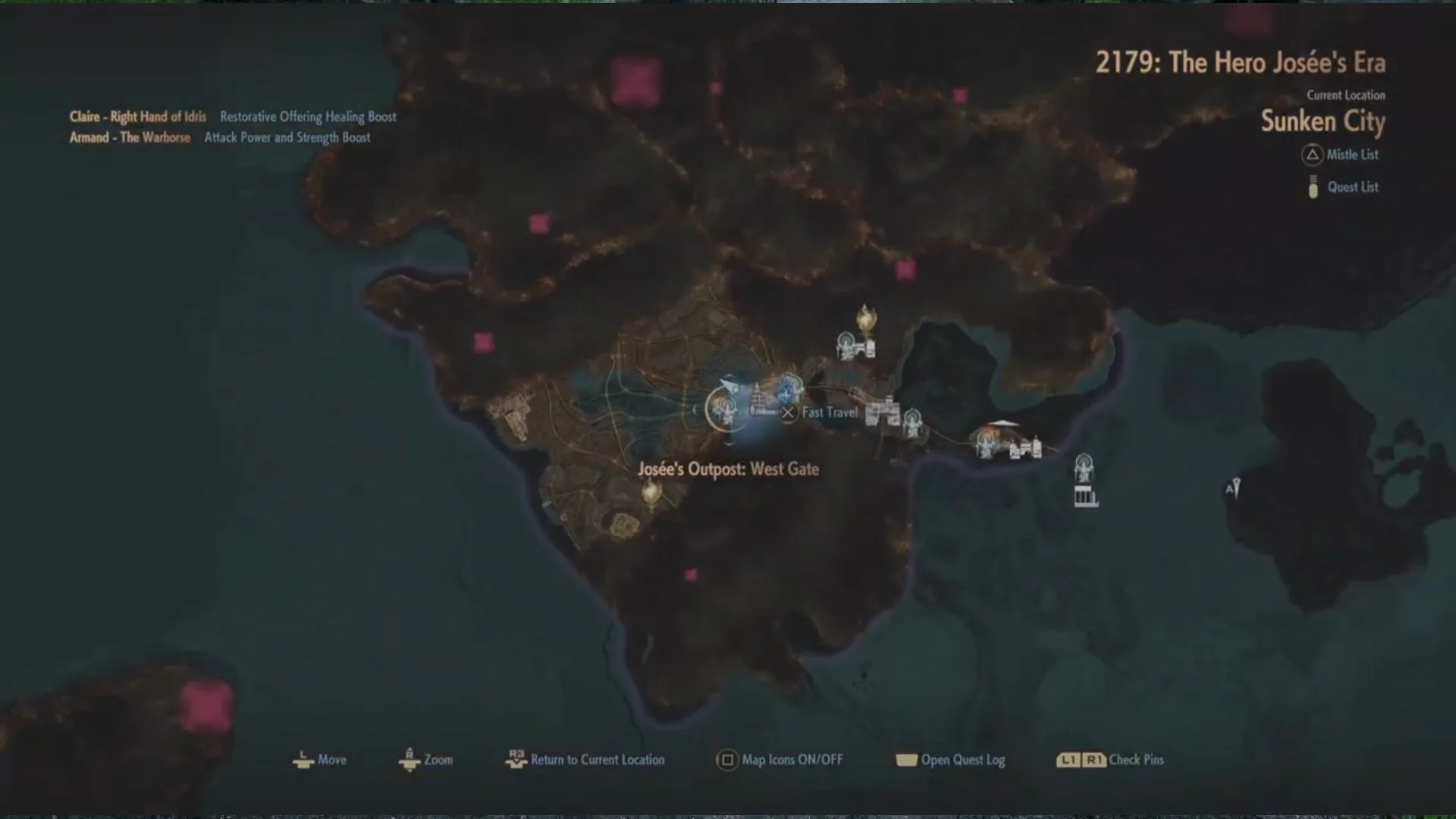
Progression is also layered uniquely through three eras: The Past, The Present, and Free Exploration, which adds a cool narrative flavor while also giving players multiple avenues for quest advancement. If one timeline stalls, another may hold the missing piece, whether it’s an NPC interaction, a new discovery, or a different thread of progression.
Combat That Rewards Loadout Creativity
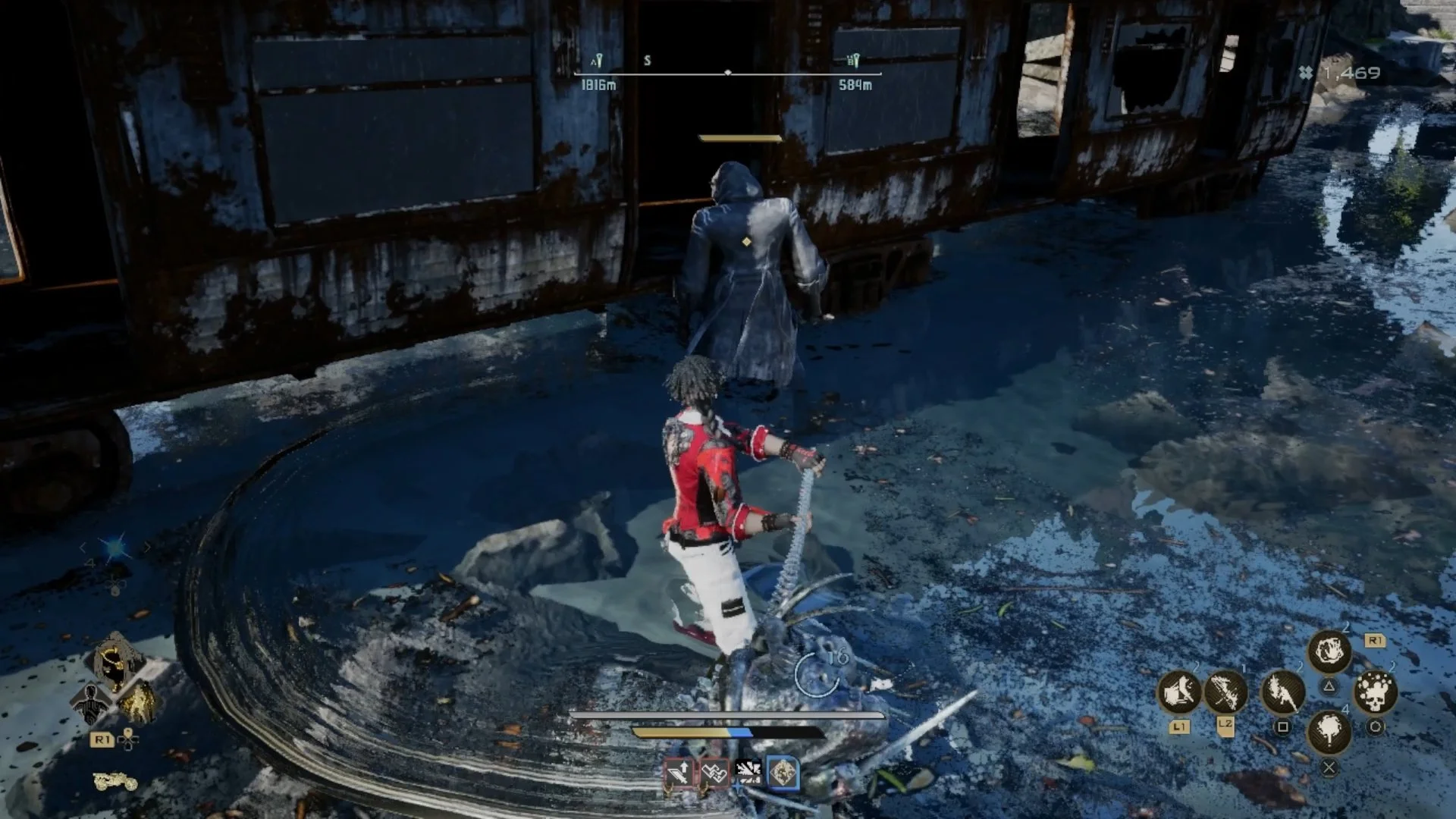
Combat remains the soul of the experience, but Code Vein II expands the toolset in meaningful ways. Encounters fall into two main categories: world combat against roaming enemies and elites, and boss combat, which demands much more deliberate strategy due to multi-segment health bars, stronger movesets, and phase shifts.
Where fights really come alive is in the game’s resource management and loadout design. Players juggle HP, LP, Ichor, and Stamina, with stamina being the key limiter that punishes greed and rewards discipline.
A standout twist is the sheer number of status ailments enemies can inflict, including brutal conditions like Resurgence (instant death) or debuffs that cripple movement, ability usage, or even your partner bond. It’s the kind of system that keeps you cautious, forces smart preparation, and makes healing items and remedies feel essential rather than optional.
Partners Are More Than Just Sidekicks
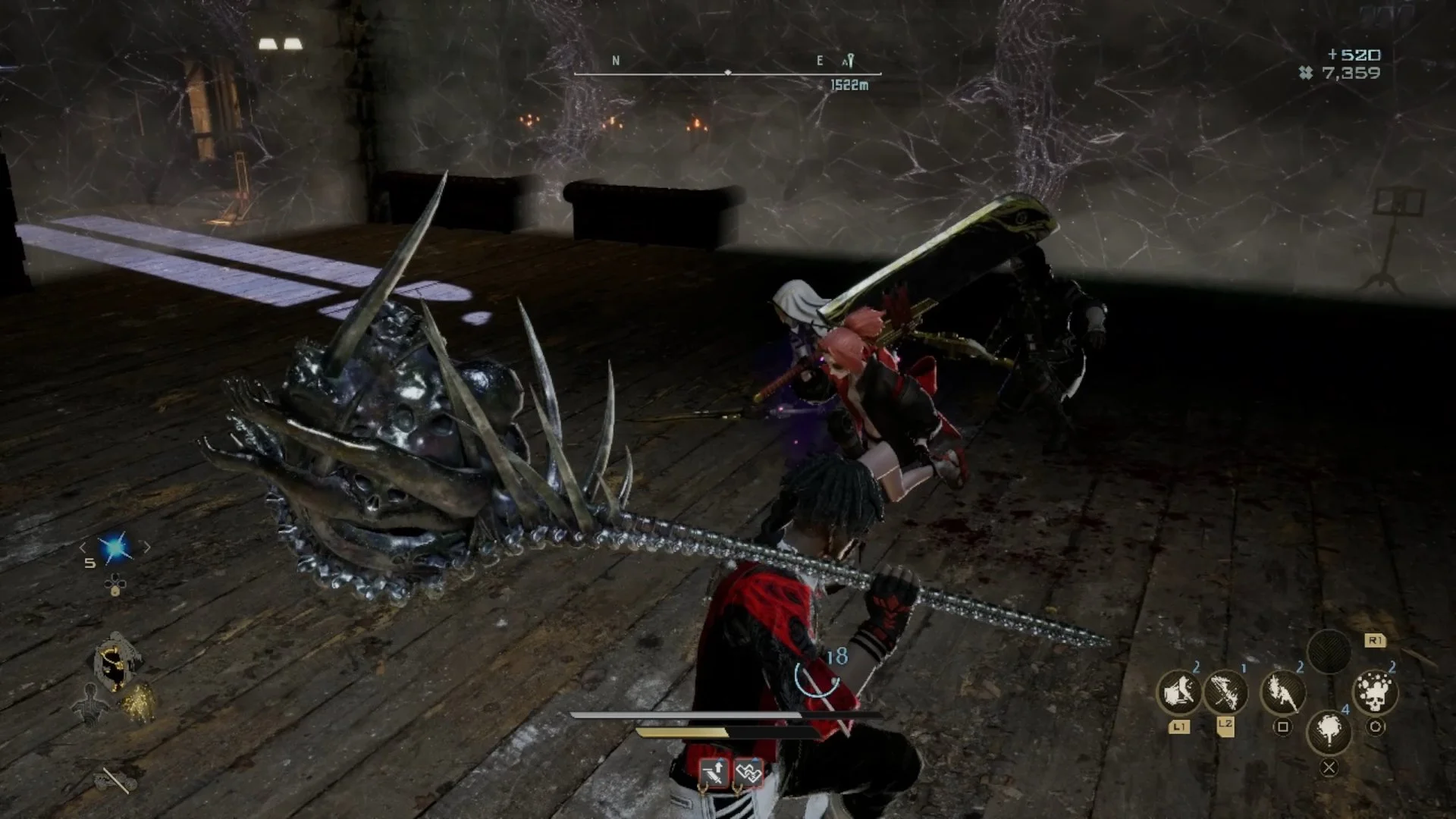
Code Vein II’s Partner System is a major pillar of gameplay, and it’s far more interesting than a typical AI follower. The game introduces LP (Link Points) as a bond-based layer of protection that gets chipped away before HP. Partners can fight alongside you through Summoning, or merge with you through Assimilation, enhancing your stats and powers for tougher one-on-one encounters.
Partners also provide a safety net through a Restorative Offering, which can revive you when your HP hits zero, though it comes with downtime after activation, meaning you can’t lean on it endlessly.
Customization and Gear Depth Goes Wild
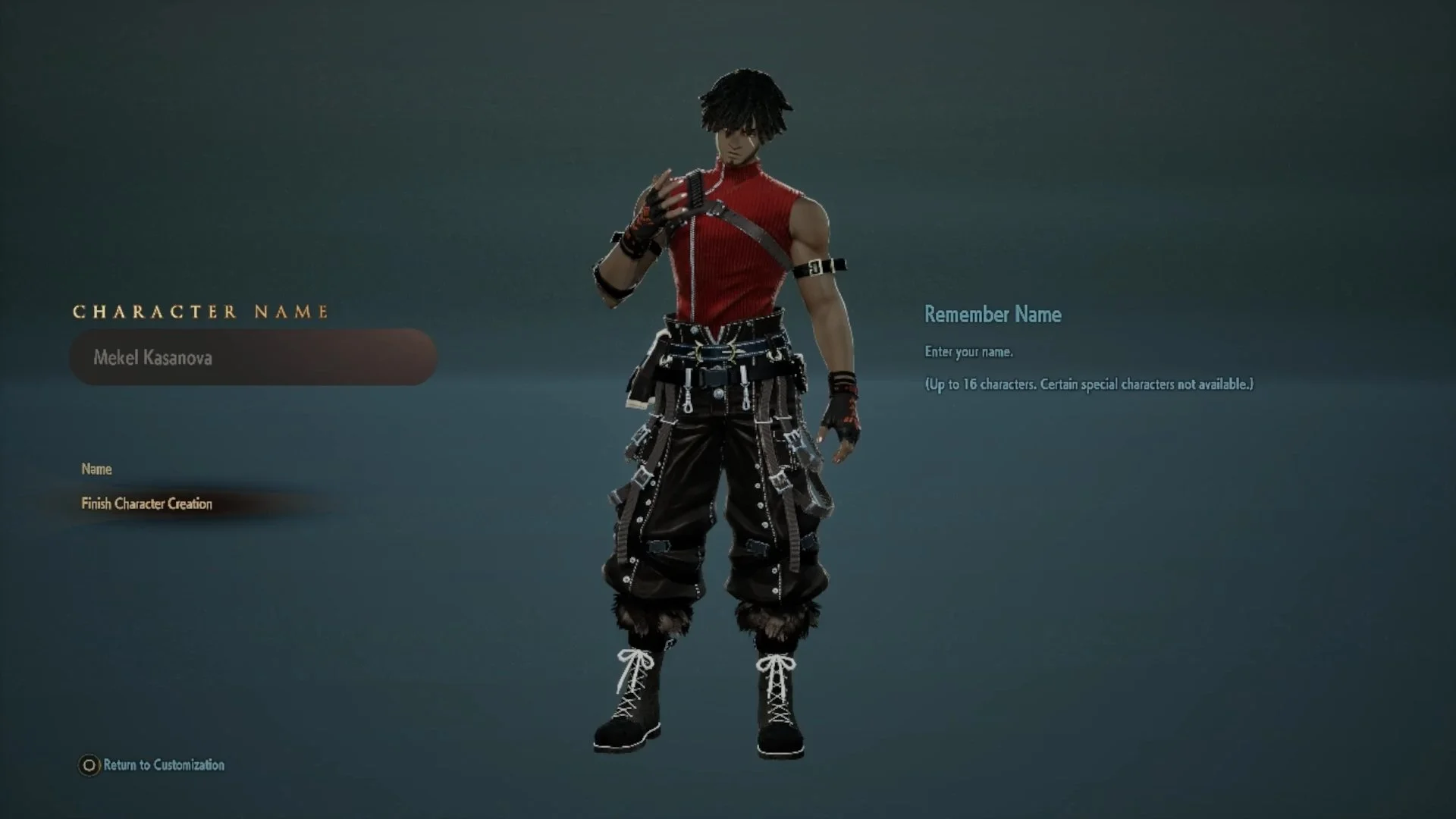
If Code Vein II had one core philosophy, it would be: your build should feel like your fingerprint.
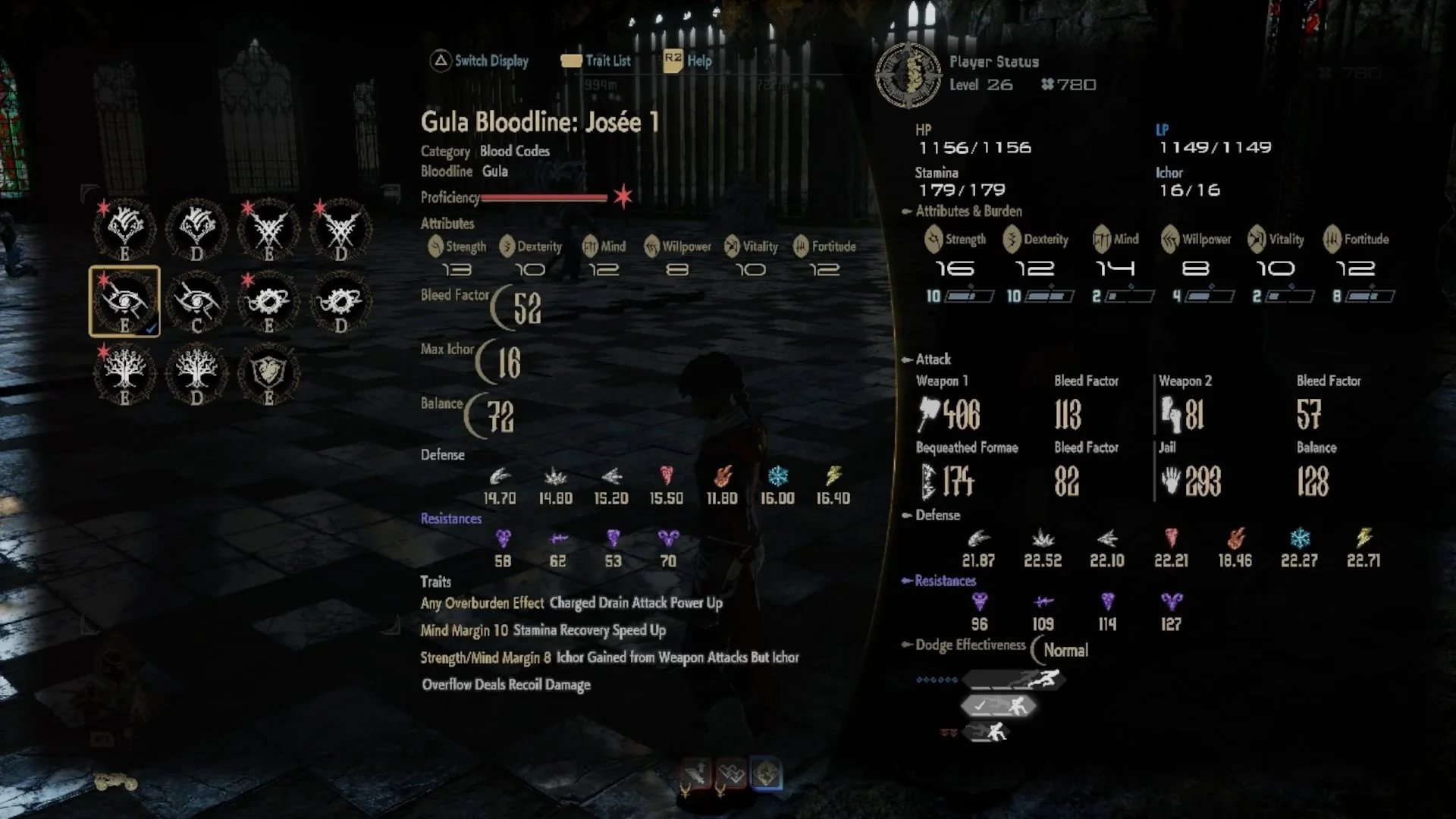
Players can tailor their experience through a broad loadout system that includes weapons, offensive and defensive Formae, Blood Codes, Jails, boosters, and partners. Weapon variety alone spans seven categories, supporting everything from fast one-handed blades to long-range bayonets and even rune blades that can attack from afar.
The biggest build-shaping system is the Burden System, which adds risk-reward to your attributes. Pushing your build too far can trigger penalties like stamina drains, ichor loss, mobility issues, or debuffs when you fail activations. This creates a cool tension between “max power fantasy” and “don’t overcook the stats.”
Progression and Replay Value Looks Massive
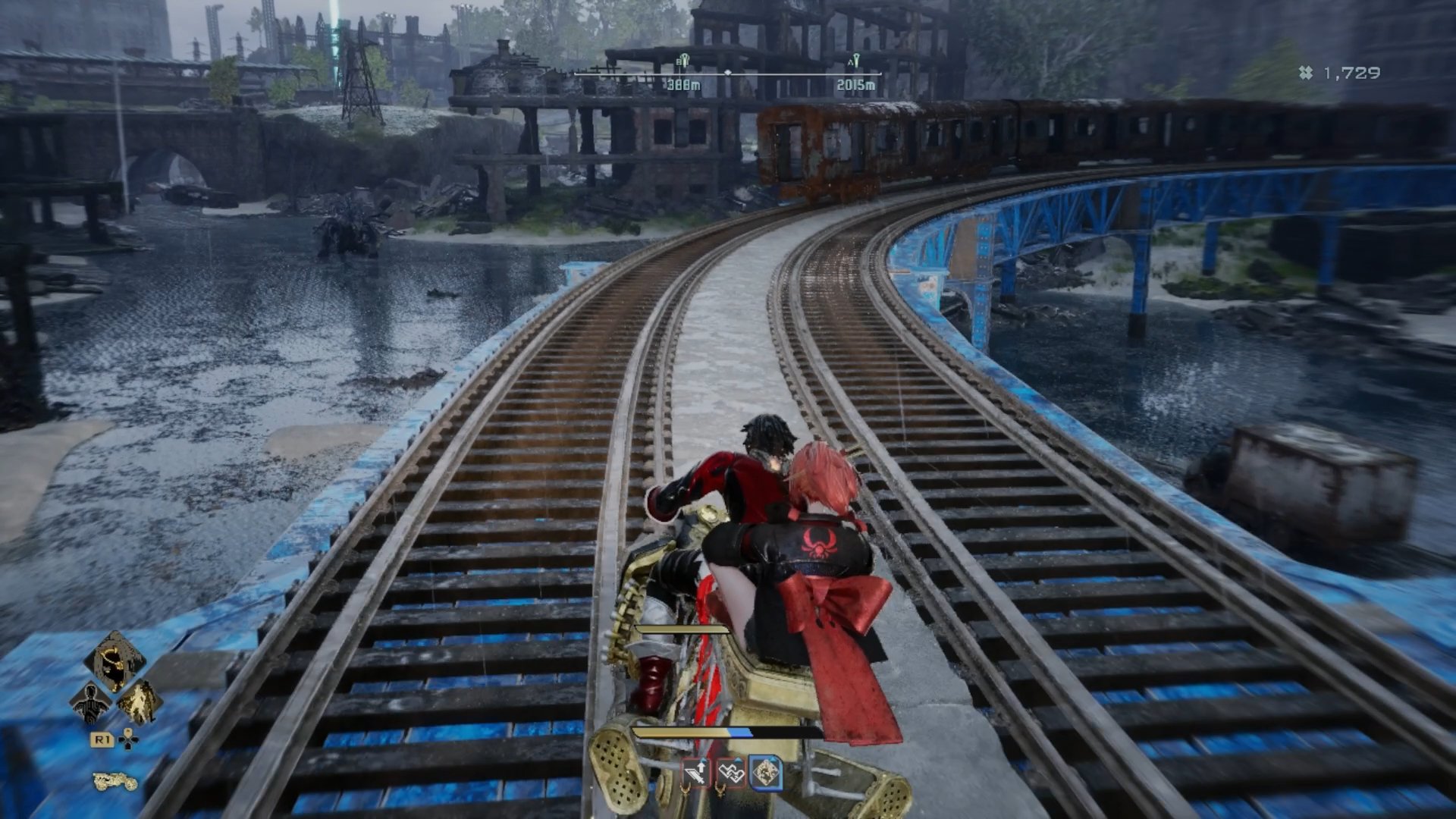
Code Vein II isn’t a short ride. Total playtime can reach 60+ hours, and multiple endings and secrets are baked into the experience depending on player choices.
Leveling expands beyond just character stats too, incorporating weapons, formae, jails, and blood codes, with the universal resource Haze acting as both XP and currency. That tradeoff creates meaningful decision-making: do you power up now, or stock up for the road ahead?
Final Verdict
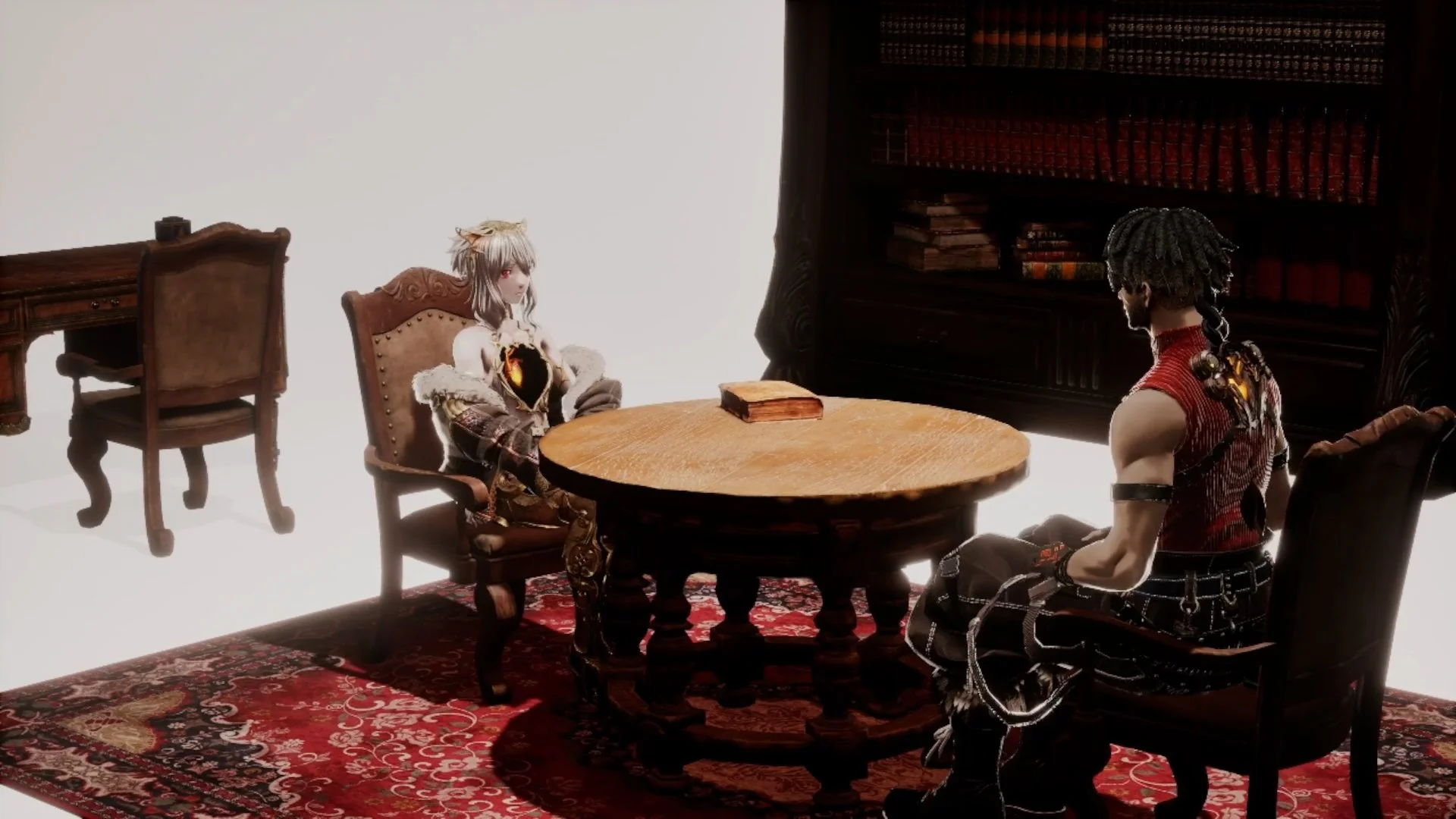
Code Vein II feels like a true evolution rather than a simple sequel. With a larger world, an era-hopping quest structure, expanded combat depth, stronger partner mechanics, and highly flexible character building, it’s shaping up to be a stylish action RPG that rewards experimentation and commitment.
If the original Code Vein was a sharp blade with a cool edge, Code Vein II looks like it’s turning that blade into an entire arsenal. ⚔️🩸
#CodeVeinII #CodeVein #Soulslike #ActionRPG #BandaiNamco