
Final Fantasy VII Remake Intergrade Nintendo Switch 2 Review
Release date: January 22, 2026
Developers: Square Enix, Square Enix First Development Division
Publisher: Square Enix,
Series: Final Fantasy
Platform: Nintendo Switch 2, PlayStation 5, Xbox Series, PC
Composers: Nobuo Uematsu, Masashi Hamauzu
Genres: Action role-playing game
“Review Copy Provided By Square-Enix”
Midgar finally feels at home on a Nintendo console
Final Fantasy VII has always been a milestone title, not just for RPGs, but for video games as a whole. It skipped Nintendo hardware back in 1997, then finally arrived on Switch in 2019 in its original form. When Final Fantasy VII Remake launched on PS4 in 2020, Nintendo players were once again watching from the sidelines.
That wait is over. Nearly six years later, Final Fantasy VII Remake lands on Switch 2, not as a watered-down afterthought, but as a confident, feature-rich version that respects your time, your nostalgia, and the capabilities of Nintendo’s new hardware.
This is a great game given a great second life on a new platform, and it’s every bit as thrilling now as it was in 2020.
More Than “Just a Port”

Calling this a simple port sells it short.
The Switch 2 version borrows smart quality-of-life ideas from the PS4 re-release of the original FFVII and layers them into Remake:
Fast-forward options to speed up dialogue and certain moments
Optional “cheats” and accessibility tweaks
Difficulty-modifying items and settings
Tools that let you cut down the overall playtime significantly
If you’ve already beaten Remake elsewhere and just want a story refresher before the trilogy wraps up, this version lets you blaze through it at a much snappier pace. For newcomers, the ability to streamline or accelerate certain sections means you’re not locked into a massive 40+ hour commitment just to see credits.
Realistically, you can clear this version in about half the time of a casual story run from 2020, especially if you lean into the fast-forward and assist options. Coupled with the hybrid nature of the Switch 2, it becomes an ideal way to catch up on the first two thirds of the Remake saga on your commute, couch, or bed before the finale arrives.
Intergrade Included & Content Complete

Importantly, this isn’t just base FFVII Remake. The Switch 2 version is essentially the Intergrade package:
All PS5 visual and systems retoolings
The Yuffie-focused Episode INTERmission
General polish to side content and pacing
Episode INTERmission is woven into the main story in a way that feels natural, as if Yuffie had always been planned as part of this arc. Her two-chapter side story kicks in after the Sector 5 Reactor events and runs about 5–6 hours. You step into Yuffie’s shoes, explore Sector 7 from her perspective, tackle new dungeons tuned around her ninjutsu and shuriken mechanics, and meet characters like Sonon, as well as familiar faces from the wider Compilation such as Weiss and Nero from Dirge of Cerberus.
On Switch 2, Intermission doesn’t feel like tacked-on DLC. It feels like a proper director’s cut, a richer take on Midgar that better ties into the broader Final Fantasy VII universe, including Crisis Core, On the Way to a Smile, Before Crisis, and more. Rather than discarding the Compilation, Remake smartly reinterprets it, similar to how Capcom reimagined Resident Evil 2 and 4.
A Classic Reimagined, Not Just Remade
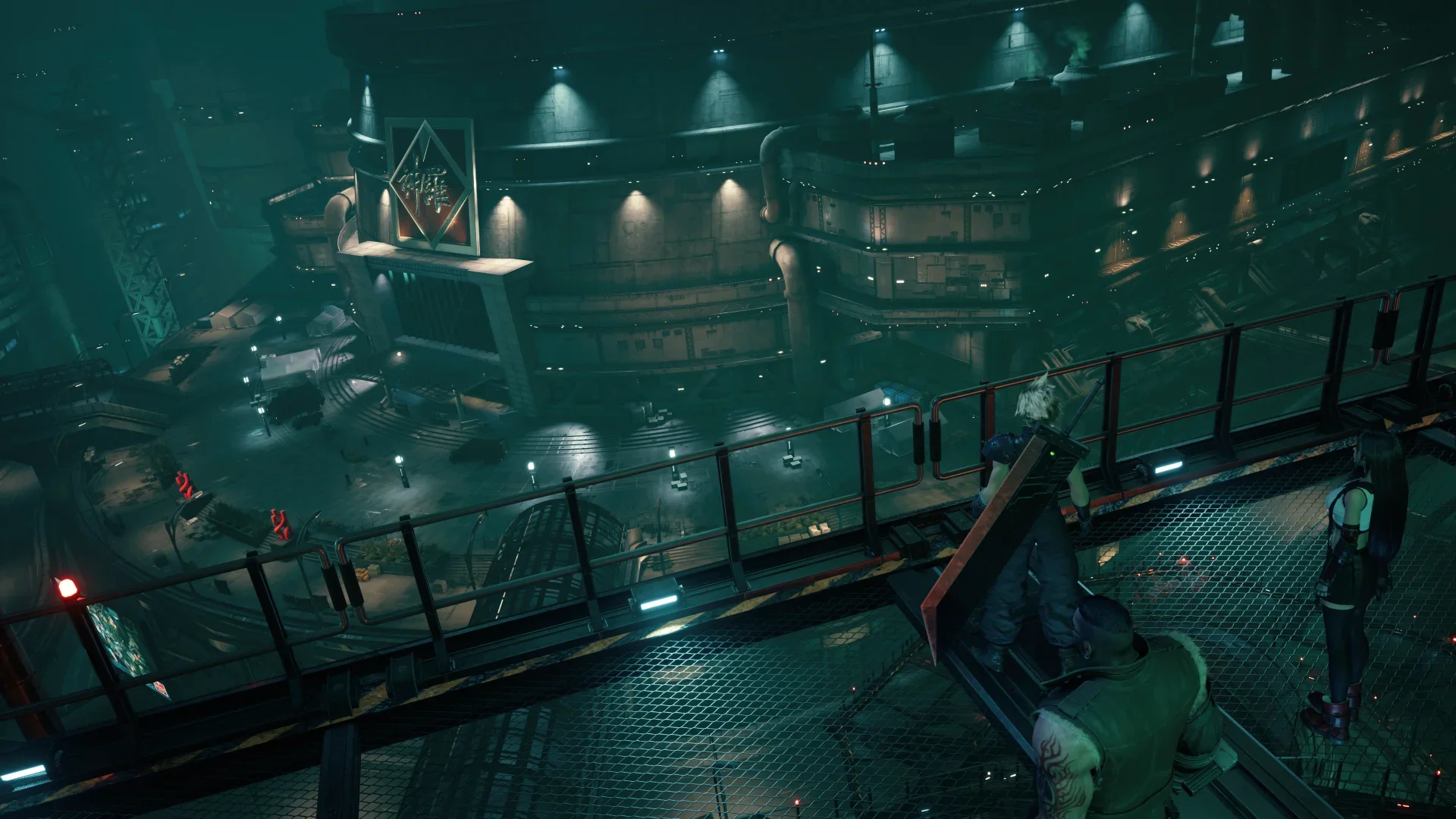
Remake’s story still hits like a Mako truck.
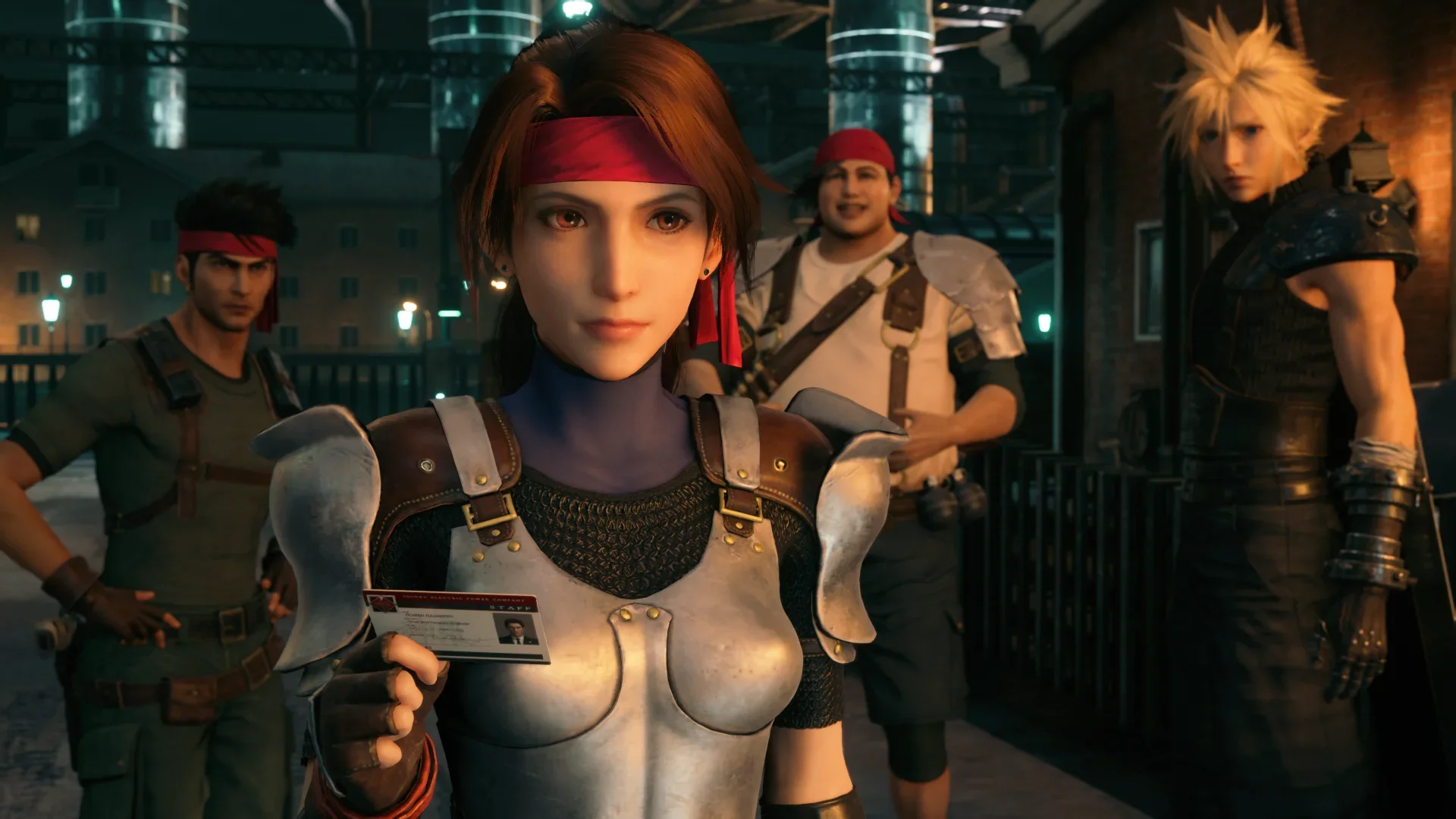
The game opens with a sweeping cinematic of Midgar and Aerith before cutting to that iconic train shot, transitioning seamlessly into Biggs, Wedge, Jessie, Barret, and finally Cloud Strife himself. Cloud, an ex-SOLDIER 1st Class (or so he claims), is hired by eco-terrorist group AVALANCHE to help sabotage the Mako reactors that are slowly draining the planet’s lifeblood.
What made the original FFVII compelling is still here: the corporate tyranny of Shinra, the moral ambiguity of eco-terrorism, and the looming presence of Sephiroth. What’s new is how much more human and grounded it all feels.
One early example: in the PS1 game, you blow up the first reactor and quickly retreat to the bar. In Remake, you’re forced to walk through the wreckage you caused. You watch civilians panic, see buildings burning, and listen to a haunting soundtrack that drives home the cost of your actions. To some, you’re a hero. To others, you’re a monster. The game leans hard into those shades of gray, exploring extremism, guilt, and responsibility in far more depth than the original could.
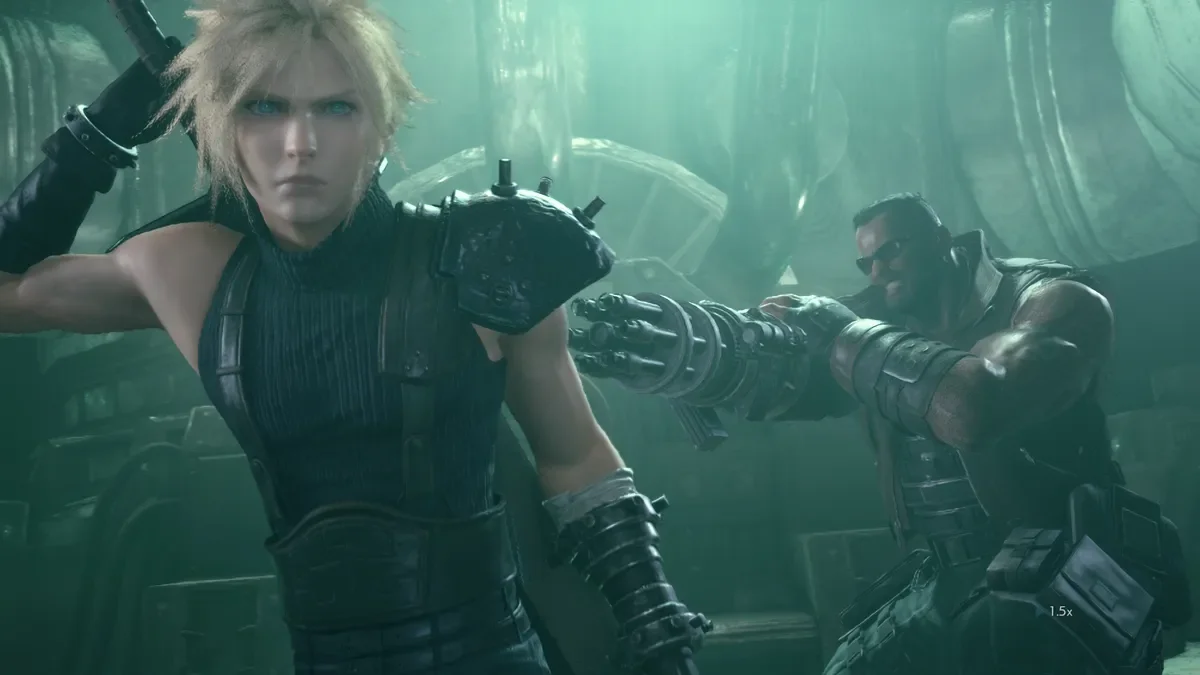
Characters who were once little more than background NPCs or one-note archetypes now have rich personalities, motivations, and arcs. Biggs, Wedge, and Jessie are fleshed out in ways that make you genuinely care about them. Tifa, Aerith, and Barret feel like real people with history, trauma, and warmth. The writing, animation, and performances combine to make this the most emotionally resonant cast Final Fantasy has ever had.
And as the narrative expands, the story gradually shifts from “AVALANCHE vs Shinra” to something much larger: the fate of the entire planet and the threat of the One-Winged Angel himself. The way Remake plays with expectations of longtime fans without alienating newcomers is one of its greatest achievements.
Strategy Meets Real-Time Chaos
Gone is the purely turn-based structure of the original. In its place is a hybrid action system that somehow preserves the tactical heart of classic Final Fantasy.
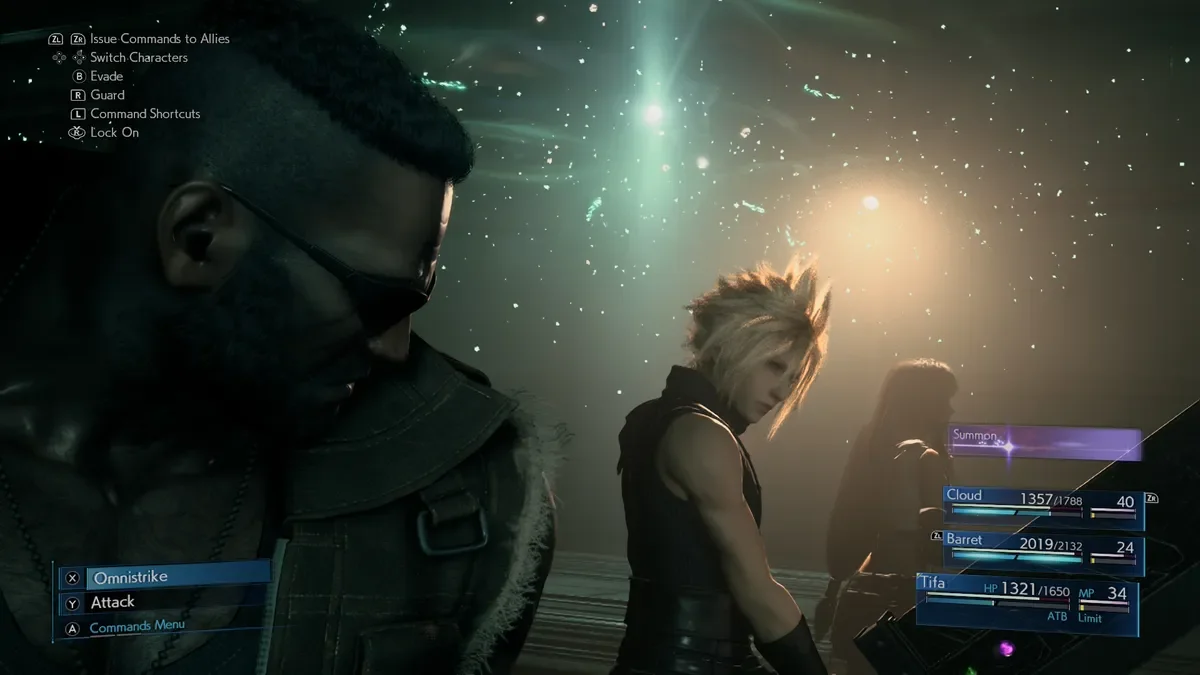
Combat blends real-time action reminiscent of Final Fantasy XV and Kingdom Hearts with the ATB (Active Time Battle) system. You:
Move, dodge, guard, and attack in real time
Fill ATB gauges by attacking and defending
Spend ATB bars to use abilities, spells, and items
Swap characters on the fly to exploit enemy weaknesses
You’re rewarded for actively switching between party members, as ATB builds faster when everyone’s contributing. Party AI rarely uses your strongest spells or abilities on its own, which means you need to stay engaged, pause combat frequently, and issue commands thoughtfully.
There’s also a “Classic Mode” that slows things down and shifts more of the basic attacking to AI if you want something closer to a pseudo-turn-based feel, although it’s still not a 1:1 recreation of the PS1 system.
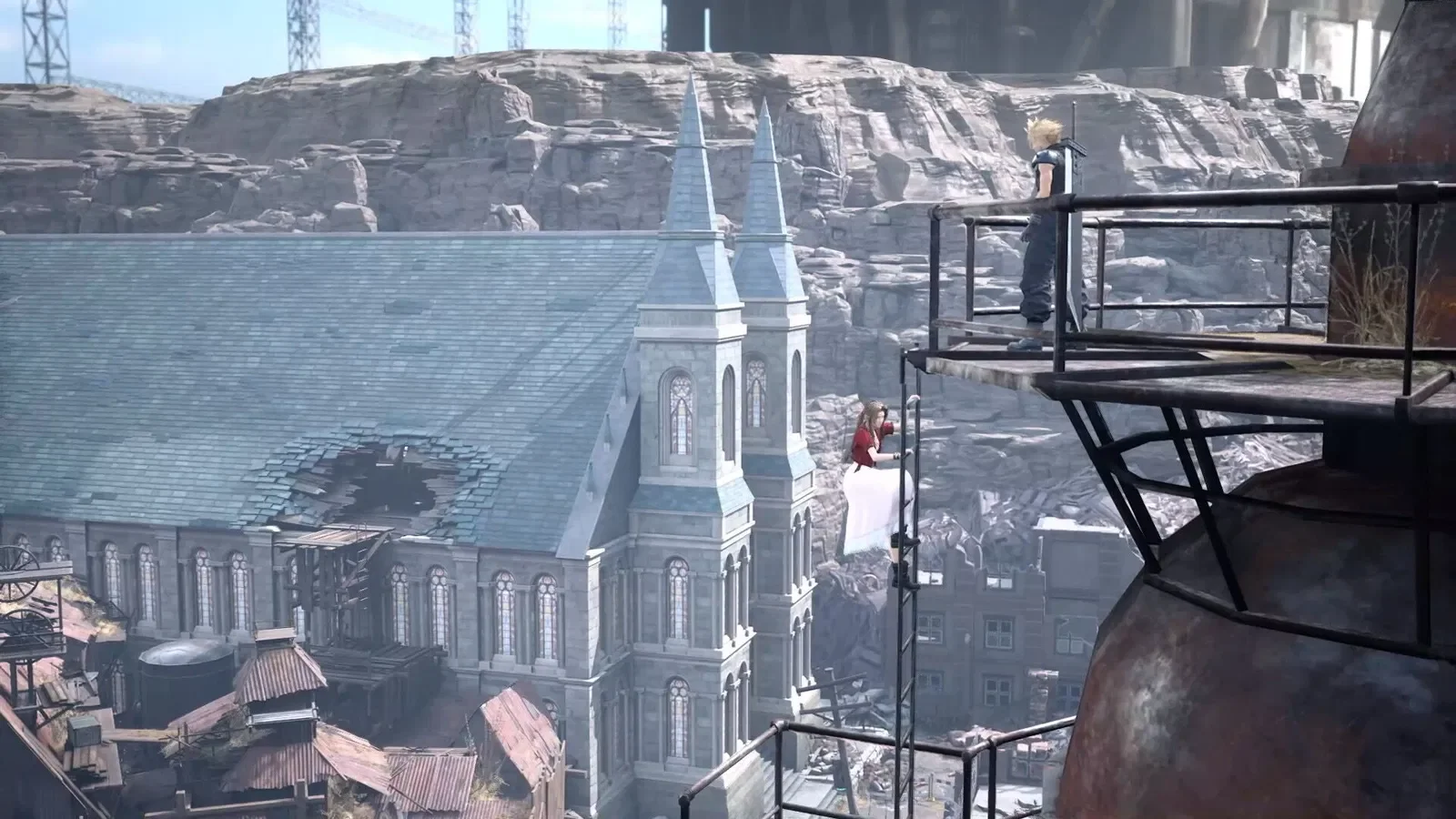
Each character feels distinct:
Cloud swaps between balanced Operator mode and high-damage Punisher mode.
Tifa is a close-range brawler who ramps up damage with her martial arts techniques.
Barret controls space with his gun arm and charged shots.
Aerith excels at ranged magic and area control via abilities like Tempest.
Yuffie mixes close and long-range with her shuriken and ninjutsu, especially in INTERmission.
On top of that, Materia returns as the backbone of customization. Slotting Materia into weapons and armor gives you access to spells, buffs, debuffs, summons, and passive bonuses. While characters have archetypal roles, Materia lets you warp them into whatever you want, like turning Cloud into a healer or Aerith into a destructive black mage. You’re constantly encouraged to tinker, experiment, and build loadouts tailored to specific encounters.
Side quests and “odd jobs” also play a bigger role here than in the original, not just mechanically but narratively. They deepen your understanding of Midgar’s communities, explore Cloud’s fractured psyche, and enrich his relationships with Tifa, Aerith, and the rest of the crew.
Visuals & Performance on Switch 2
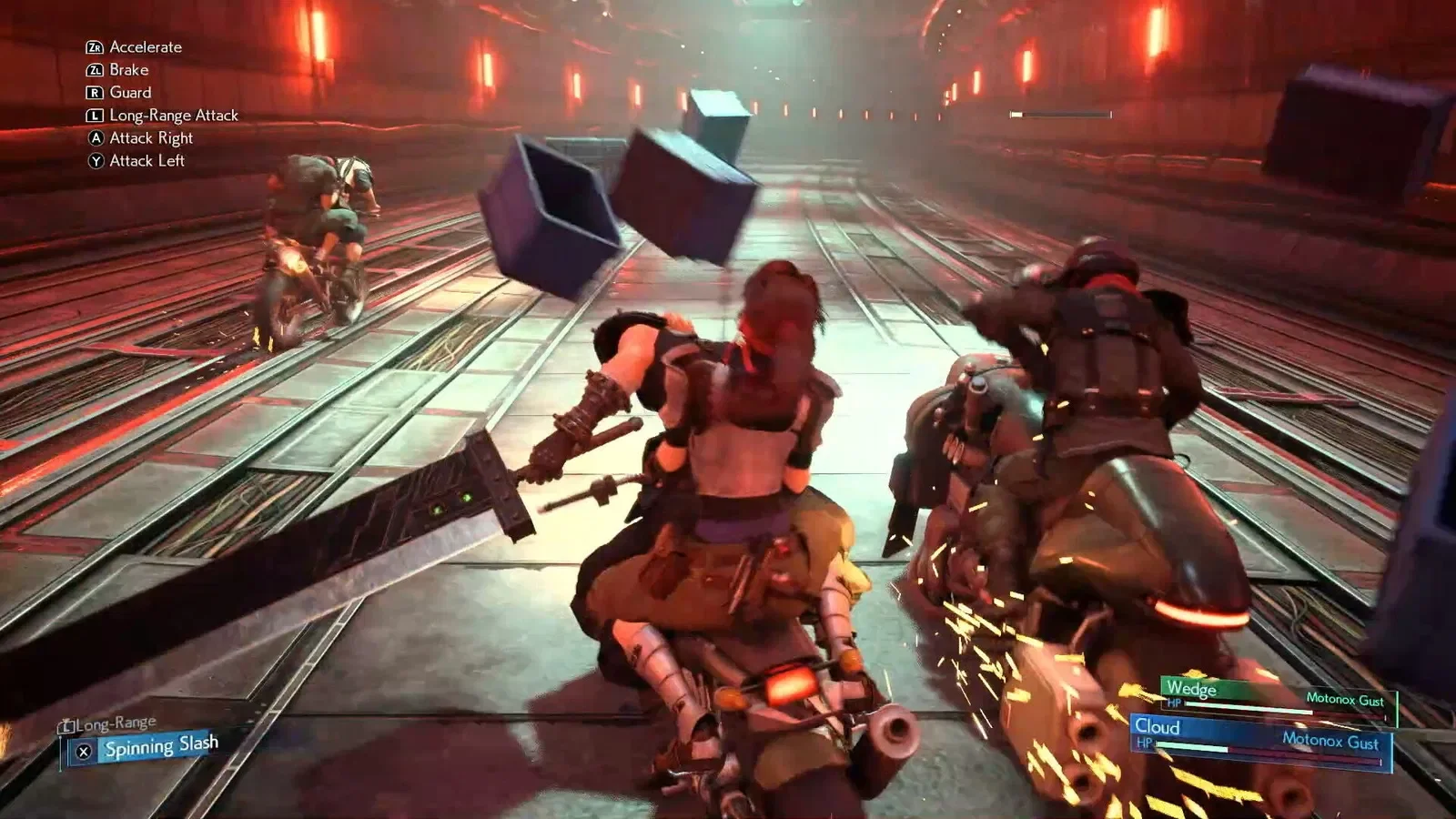
The big question: how does it run on Switch 2?
Surprisingly, very well.
The game targets 30fps and holds it consistently.
The resolution and texture quality are lower than PS5 or high-end PC, and polygons can look a bit rough around the edges.
DLSS and other tech trickery help sharpen the image and keep things looking clean in motion.
Is it as crisp and slick as PS5 or Xbox Series X? No. But that’s not the bar it’s trying to hit. This feels closer to a slightly softened, portable-friendly version of the PS4 original with many of the benefits of Intergrade baked in: faster load times, snappier transitions, and general performance improvements.
On the Switch 2’s handheld screen, the compromises are even less noticeable, and that’s arguably where this version shines brightest. Yes, a 60fps mode would have been wonderful, especially given the action focus, but the stable 30fps combined with motion blur and the storytelling emphasis makes it more than playable. If your TV supports black frame insertion, that can also help smooth out perceived motion for those who are sensitive.
In short: this is not a lazy cash-grab. Square Enix could have done a barebones PS4-equivalent port, slapped on a lower price, and called it a day. Instead, they went the extra mile with Intergrade content, polished performance, and thoughtful features that make this version feel intentional.
Art Direction & Graphics
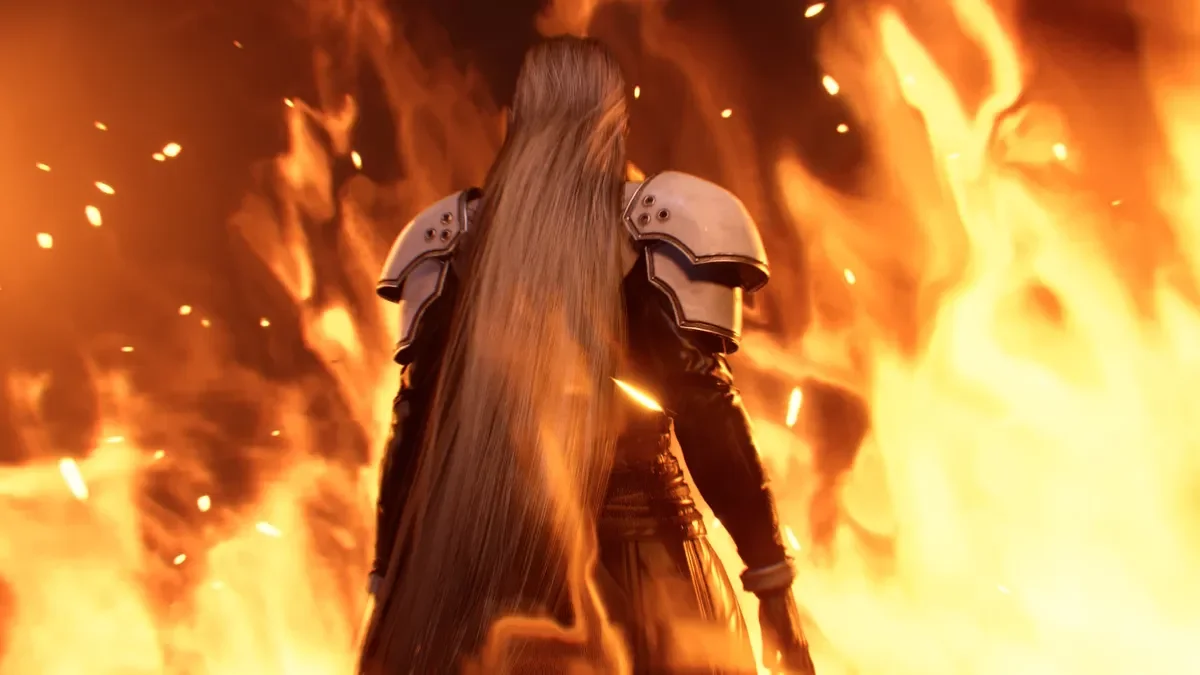
Even with reduced fidelity, the art direction still absolutely sings.
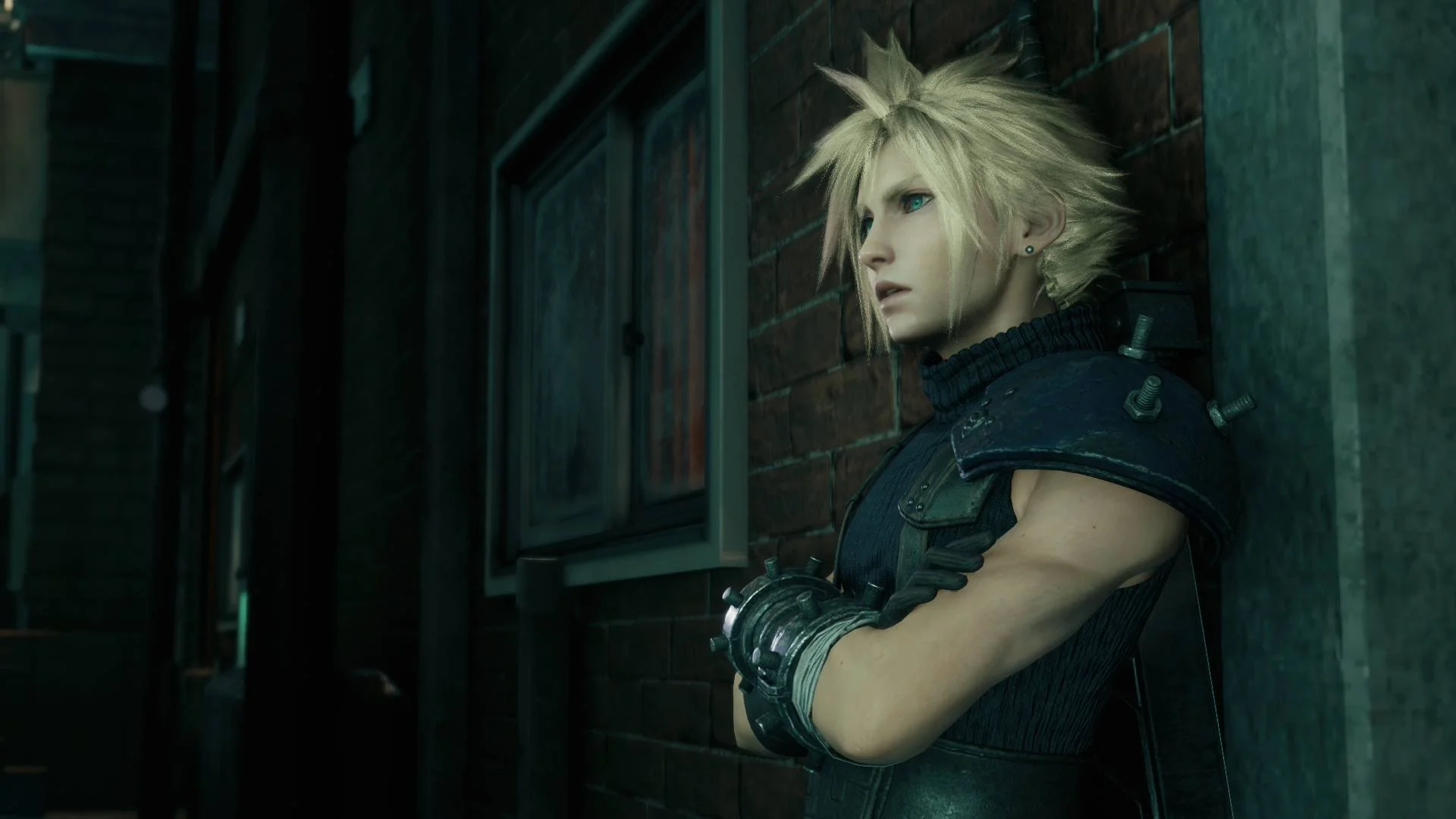
Character models are incredibly detailed: hair, facial expressions, eyes, scars, tattoos, and clothing textures all have a level of care that still feels cutting-edge for a game born on PS4. You can see stitching in fabrics, minor blemishes in skin, and all sorts of tiny visual touches that sell the illusion of a living world.
Environments are dense and lived-in. Rusted metal, cracked concrete, flickering neon, and filthy alleyways all contribute to a Midgar that feels genuinely oppressive and industrial. Lighting and atmosphere are key here, and despite scaling down for Switch 2, the game rarely loses its visual punch.
It’s not going to outclass the latest PS5 showpieces, but it doesn’t need to. The fusion of grounded realism with stylized fantasy remains one of the best visual identities in modern RPGs.
Audio & Voice Acting
The soundtrack is nothing short of spectacular.
Nobuo Uematsu returns, alongside a stellar team, to reimagine his classic FFVII themes. “Let the Battles Begin!”, “Those Who Fight Further,” “Bombing Mission,” and countless other tracks have been transformed into orchestral bangers, high-energy EDM remixes, and sweeping cinematic pieces. This isn’t just “good game music.” It’s the type of soundtrack you’ll listen to in the gym, at work, or on a drive.
Sound design is equally strong. Swords clashing, spells roaring, gunfire echoing through industrial corridors, and the ambient hum of Midgar all feel rich and satisfying. The audio mix gives weight to every hit and drama to every cutscene.
The new English voice cast nails it. While longtime fans may miss some of the Advent Children-era actors, the current lineup brings a warmth and naturalism that the older performances often lacked. Cloud, Tifa, Aerith, Barret, Sephiroth, Yuffie, and the extended cast feel fully inhabited, not just “voiced.” It’s hard to imagine anyone else in these roles now.
Verdict: The Definitive Way to Play on Nintendo Hardware
Final Fantasy VII Remake was already an exceptional reimagining of a legendary RPG. On Switch 2, it becomes:
The most convenient way to experience the story on Nintendo hardware
A feature-rich package that includes Intergrade and Episode INTERmission
A thoughtfully optimized version that balances performance and fidelity
A perfect entry point for newcomers and a stellar replay option for veterans
Would a 60fps performance mode have been nice? Absolutely. Are there visual concessions compared to PS5 and Series X? Definitely. But these tradeoffs don’t undercut how impressive this package is overall.
Square Enix didn’t just meet the bar set by the original; they leapt over it. Final Fantasy VII Remake respects the legacy of 1997 while daring to twist it, expand it, and set up something much larger. On Switch 2, that vision arrives intact, portable, and remarkably polished.
If you own a Switch 2 and have even a passing interest in RPGs, this isn’t just a recommendation. It’s a requirement.
Final Fantasy VII Remake on Switch 2 is a must-own.

#FinalFantasy #FinalFantasy7RemakeIntergrade