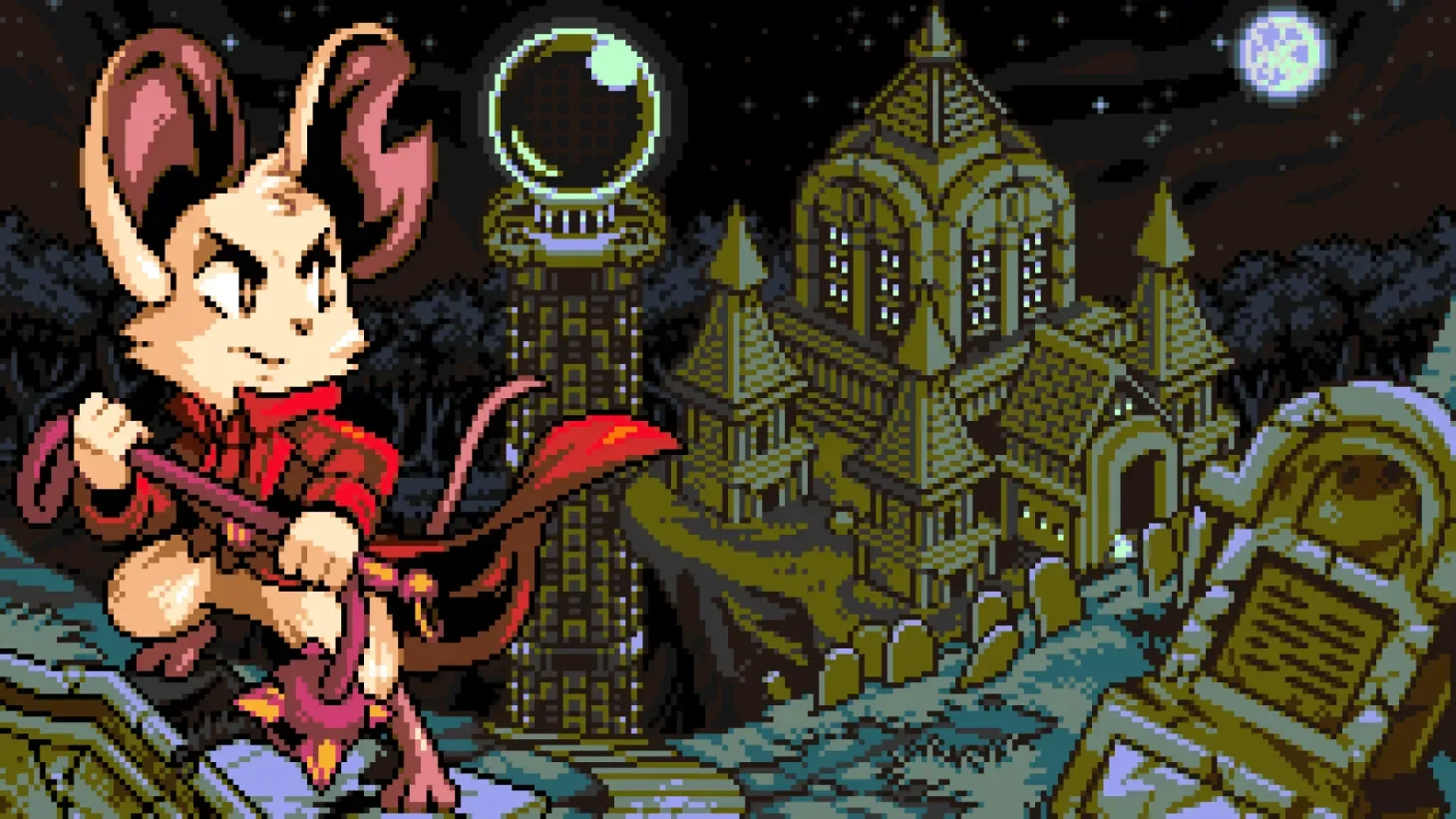
Mina the Hollower Review

“Review Copy Provided By Yacht Club Games”
There are games that wear their inspiration proudly, and then there are games that take that inspiration, dig underneath it, build a whole underground laboratory, and come back with something that feels familiar yet completely its own.
That is Mina the Hollower.
On the surface, this is a top-down 2D action-adventure game that immediately calls back to the Game Boy era of The Legend of Zelda, especially games like Link’s Awakening, Oracle of Ages, and Oracle of Seasons. But the more time I spent with it, the more it became clear that Yacht Club Games was not just chasing nostalgia. They were sharpening it, twisting it, and giving it teeth.

You play as Mina, a Hollower and technological genius whose specialty is exactly what the name suggests: digging, tunneling, and using the ground beneath her as both a tool and a weapon. That tunneling mechanic is not just a cute gimmick. It becomes the backbone of the entire experience. You can use it to dodge attacks, slip past hazards, cross certain gaps, and access the Underlab, which acts as your safe room and base of operations.
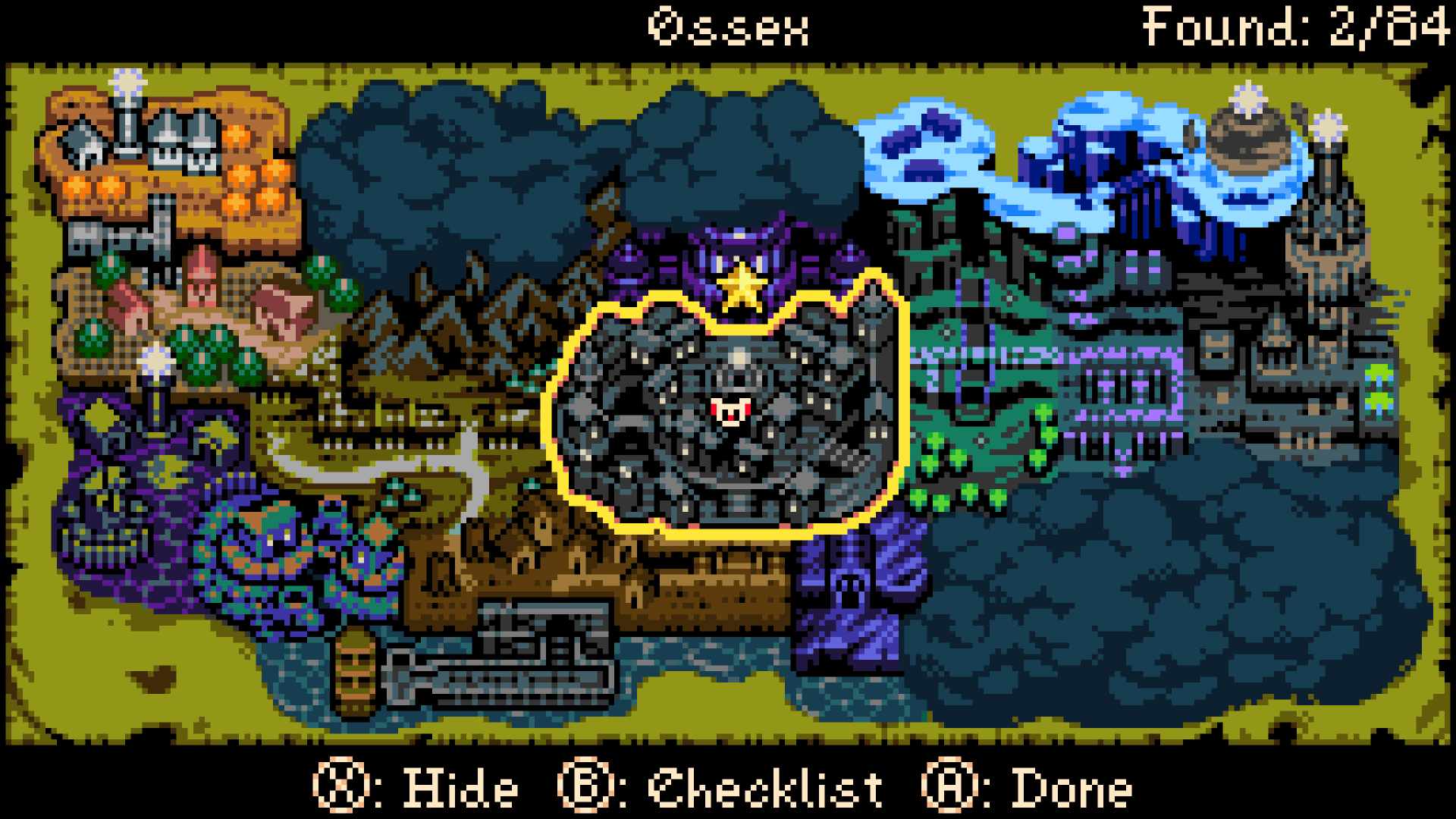
The game kicks off with a strong opening. Mina’s ship is wrecked by a massive beast, an old friend turns enemy, and before long, she finds herself in Ossex, a city tangled up in rebellion, danger, and mystery. From there, your main goal is to relight six Towers scattered across the world, but Mina the Hollower is not a game that lays everything flat on the table right away.
And honestly, that is one of its biggest strengths.
The story works because it keeps pulling the rug out from under you. Not in a cheap way, either. More like the game is quietly setting pieces on the board, letting you think you understand the rules, and then suddenly flipping the candlelight just enough for you to see what was hiding in the corner the whole time.
I do not want to spoil the major surprises, because Mina is absolutely the kind of game where discovery is part of the magic. There were multiple moments where the game pulled something off so cleanly that I had to stop and appreciate it. That is not something every retro-inspired game manages to do.
Exploration and World Design
One of the things I really appreciated is how open the game feels from early on. You are given direction, but you are not locked into a straight hallway pretending to be an adventure. There are suggested routes, and Newsie, the newspaper hawker, helps point you toward where you might want to go next, but the game still gives you room to wander, experiment, and make your own decisions.
That freedom matters because the world is packed with personality.
Each zone feels distinct. You have areas like graveyard crypts, bayous, castles, and other locations that all bring their own atmosphere, enemies, hazards, and design quirks. These are not just palette swaps with different background music. Each location asks you to think a little differently, move a little differently, and sometimes even rethink how you have been using Mina’s abilities.
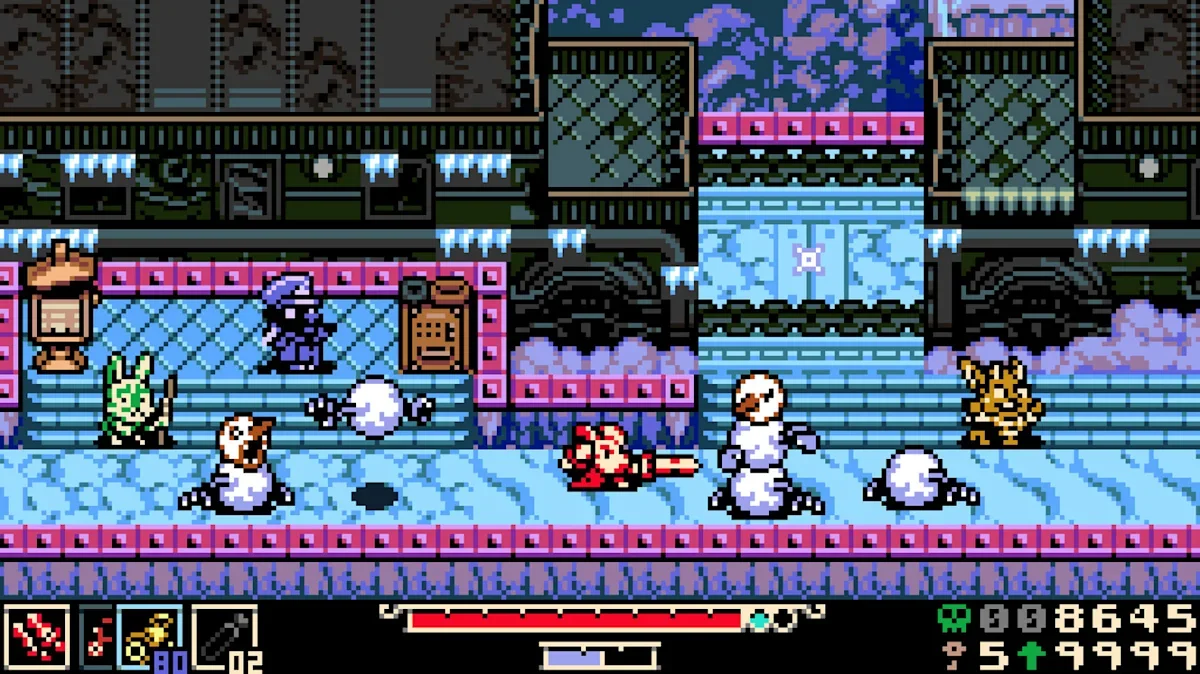
The world is dense in the best way. Almost every screen feels like it has something tucked away, whether it is a hidden path, a secret, a useful item, or a little design trick waiting for you to notice it. Exploration feels rewarding because the game respects your curiosity.
And that is something I always love in games like this. When I go poking around a suspicious corner, I want the game to either reward me or scare me. Mina the Hollower does both.
Combat
Now let’s talk combat, because this game is not here to let you button-mash your way through it.
Mina can handle herself, but she is not built like a walking tank. On normal difficulty, she takes damage quickly, and the game expects you to learn enemy patterns, dodge properly, burrow at the right time, and strike when you actually have an opening.
This is where the game has some Soulslike DNA in the way it handles timing and punishment. Not because it is trying to be “hard” just for the sake of it, but because it wants you to pay attention. Every enemy encounter has a rhythm to it. You cannot just swing wildly and hope for the best. You have to read the room, dodge through danger, and counterattack when the moment is right.
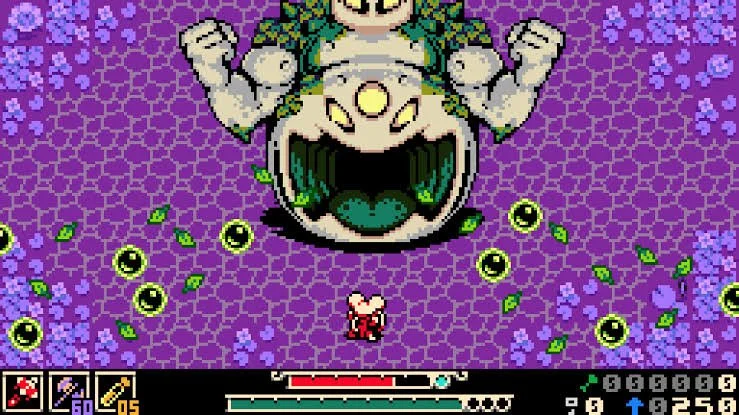
That tunneling ability adds a really nice layer to combat. It gives Mina a unique identity, and it makes fights feel different from a standard top-down action game. You are not just moving around enemies. You are disappearing beneath them, slipping under danger, and popping back up like a tiny underground menace with purpose.
That said, combat can get frustrating at times, especially if you are not a fan of games where death means potentially losing resources if you cannot recover them. That mechanic will not be for everyone, and there were moments where I could see players getting irritated if they hit a tough section or boss.
But thankfully, this game has one of the most impressive accessibility systems I have seen in this genre.
Accessibility and Modifiers
Mina the Hollower uses something called Modifiers, and these are not just basic difficulty sliders. These are full-on gameplay adjustments that can completely change how the game feels.
You can increase stats, boost walk speed, improve burrow speed, add auto-jump near pits, make healing more generous, create more checkpoints, reduce damage, remove damage entirely, defeat enemies in one hit, and even make burrowing infinite until you choose to stop.
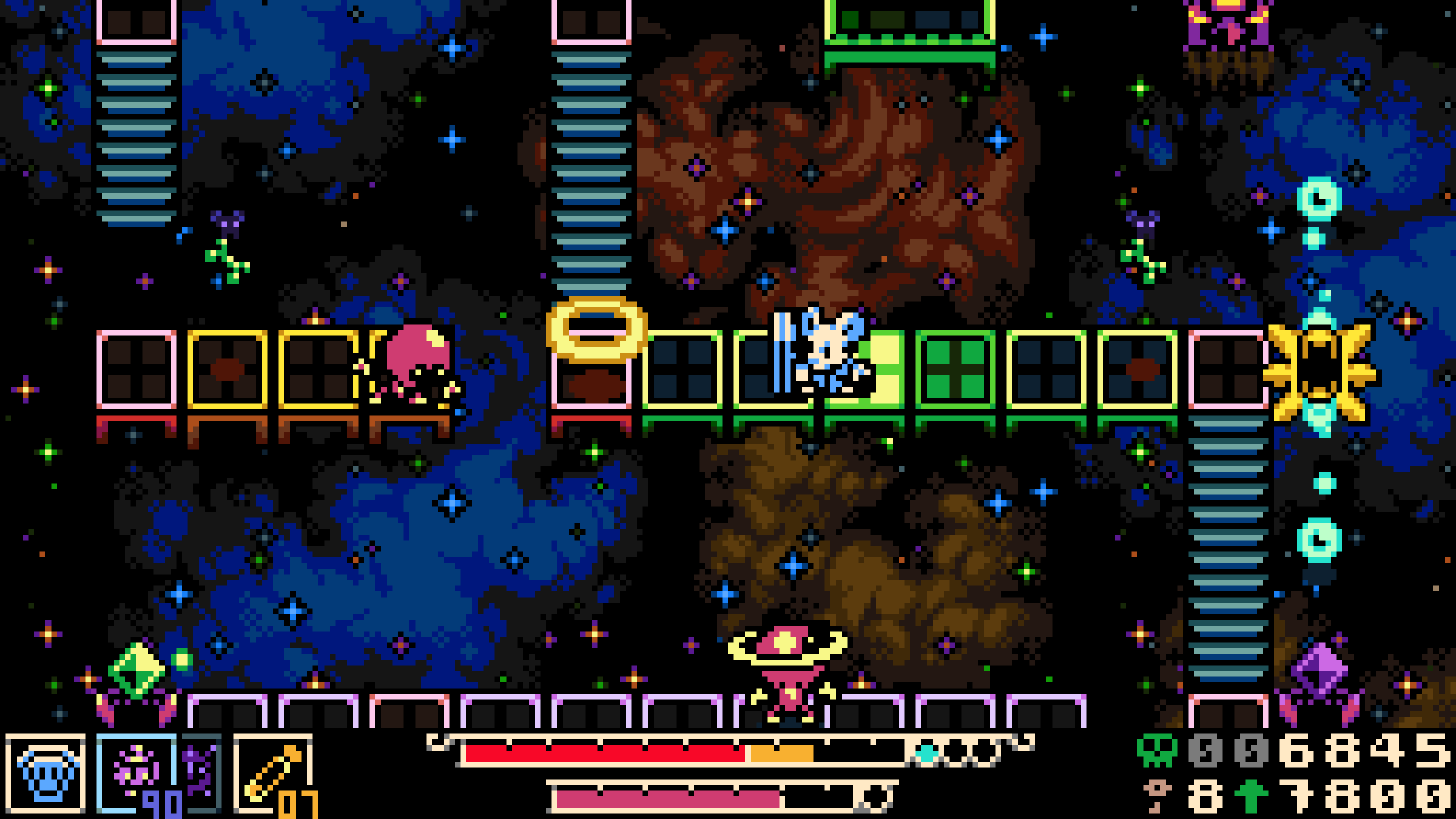
That is already impressive, but after finishing the game, the number of modifiers expands massively, with 239 modifiers available to experiment with. You can even turn off the RPG progression systems and make the experience feel more like a pure Zelda-style adventure. Or, if you want chaos in its purest gremlin form, you can turn everything on at once and let the game become a beautifully cursed science project.
The only catch is that using modifiers disables achievements, so if you care about those, keep that in mind.
But honestly, I love this approach. It lets more people enjoy the game on their own terms without watering down the core design. That is the sweet spot. The challenge is there for people who want it, but the door is not slammed shut on anyone who needs a different experience.
Puzzles and Level Design
The puzzles in Mina the Hollower deserve a lot of credit.
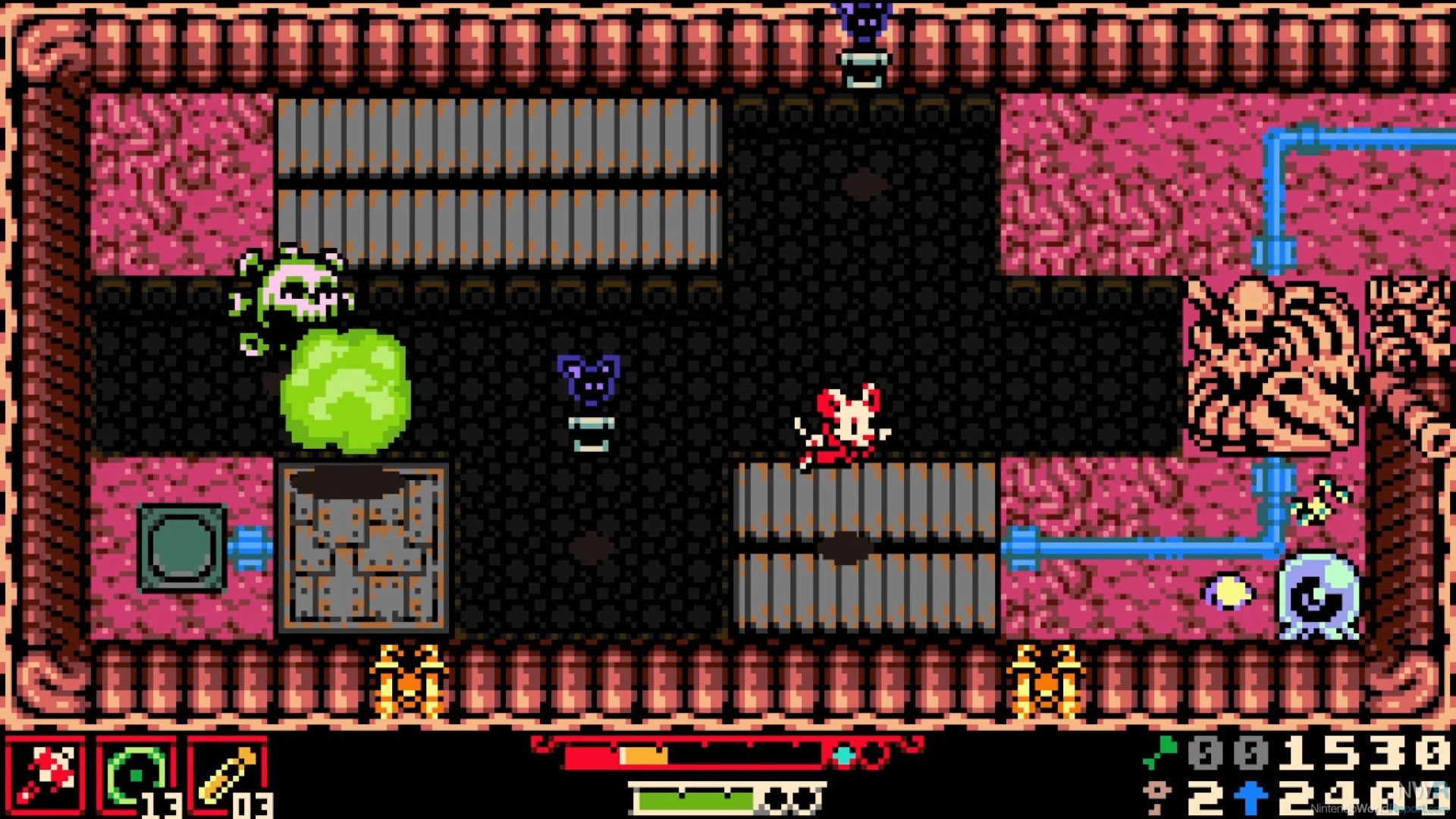
They are not just filler between combat rooms. They feel carefully designed, with a good mix of timing challenges, switch puzzles, terrain manipulation, environmental logic, and moments that make you stop and really study the screen.
Some puzzles test your reflexes. Others ask you to think through the order of operations. Some require you to manipulate objects or use Mina’s burrowing in ways that are not immediately obvious.
And that is where the game shines. It keeps introducing ideas without exhausting them. I never felt like I was doing the same puzzle over and over again with a different coat of paint.
There was one moment involving Bouncy Pods that could easily trip players up, mainly because it is not immediately obvious that you can burrow underneath them to move them. That is the type of thing that could cause a little friction, but once you understand the logic, it clicks into place.
The game has that classic “I feel smart now” energy, and that is always a good sign.
Presentation
Visually, Mina the Hollower is gorgeous.
The spritework is sharp, expressive, and full of character. It captures that retro handheld spirit while still feeling modern in its animation, atmosphere, and detail. This is not a game that looks old. It looks intentionally crafted.
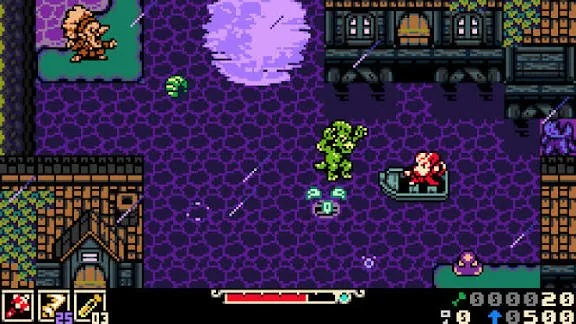
The art direction does a lot of heavy lifting. Every zone has its own mood, and the enemy designs help sell the danger and weirdness of the world. The game can be charming one moment, eerie the next, and then suddenly hit you with something that feels straight out of a gothic adventure book left open during a thunderstorm.
The sound design and music also do a great job of pulling everything together. The audio has that satisfying bite you want from combat, while the soundtrack gives each area its own identity. It never feels like background noise. It feels like part of the world.
Final Thoughts
Mina the Hollower had me locked in from beginning to end.
My first playthrough took around 18 hours with a 54% exploration rating, and even after all that time, it still felt like the game had more secrets waiting for me underground. That is the mark of a great adventure game. It does not just end when the credits roll. It leaves little lanterns in your brain, making you wonder what you missed.
This is a game with excellent combat, smart puzzles, rewarding exploration, fantastic spritework, strong sound design, and a story that is much better experienced than explained. It knows exactly what era it is pulling from, but it never feels trapped by nostalgia. Instead, it takes those classic design ideas and builds something fresh, challenging, and memorable.
Mina the Hollower is not just a love letter to old-school action-adventure games. It is a game that understands why those classics worked in the first place.
And for me, this is an easy recommendation.
Whether you are here for the Zelda-style exploration, the tougher combat, the secrets, the puzzles, or just a beautifully crafted adventure with a sharp little shovel, Mina the Hollower delivers.
Final Verdict: Mina the Hollower is an excellent action-adventure game with smart design, rewarding exploration, and enough accessibility options to let nearly anyone experience its world. This is absolutely one to keep on your radar.