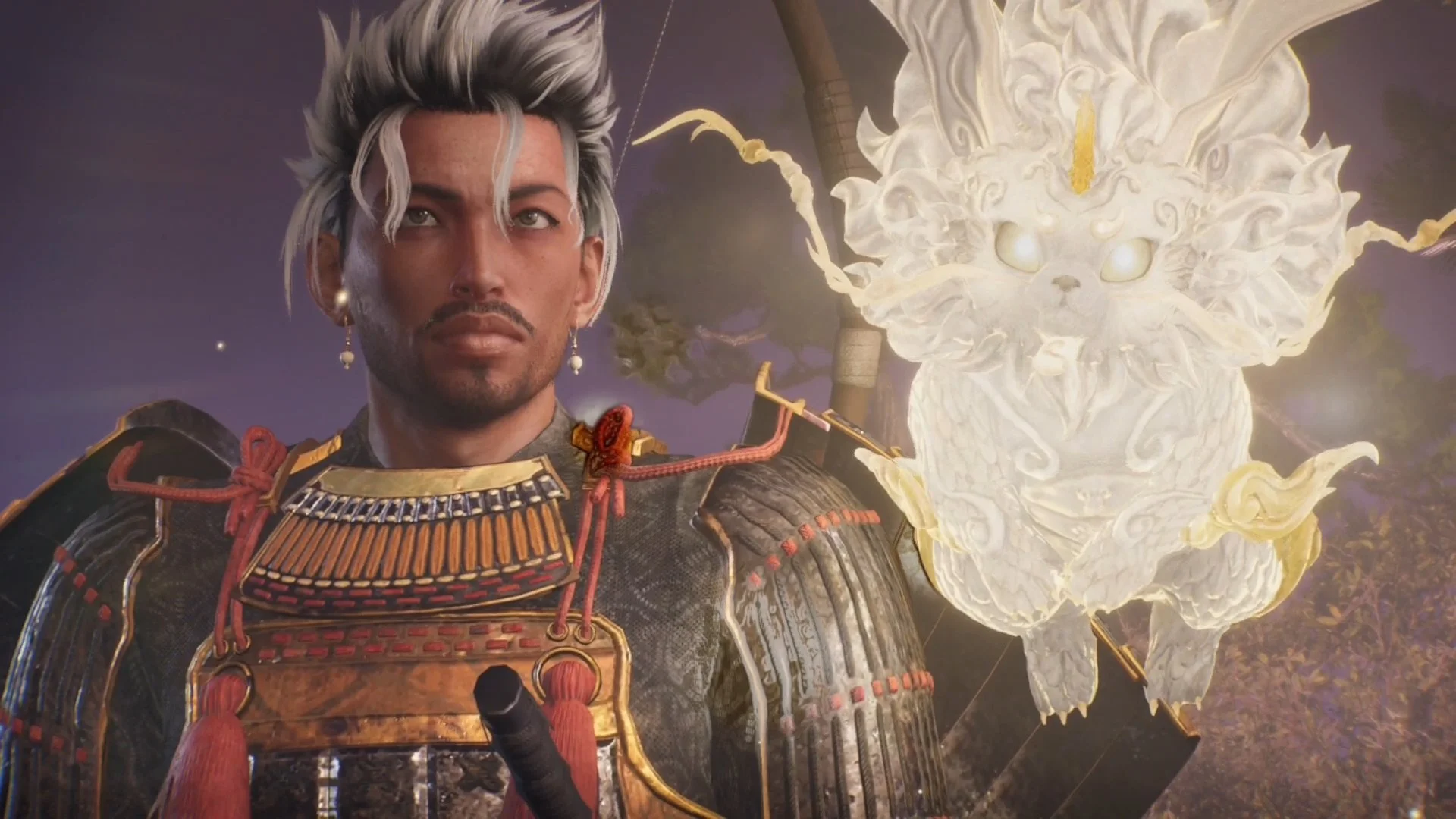
Nioh 3 Review
“Review Copy Provided By Koei-Tecmo”
There are certain games that do not just ask you to learn them. They ask you to respect them.
For me, Nioh has always been that kind of series. It is easily my favorite Soulslike franchise, not because it is the most punishing or the most stylish, but because few games reward mastery the way Nioh does. When the combat clicks, when your Ki Pulses are timed perfectly, when your weapon, stance, build, and instincts all start moving together, it feels like you are conducting controlled chaos with a blade in your hand.
So going into Nioh 3, my expectations were not casual. This is a series I have put serious time into. I know what makes it special. I know what makes it frustrating. And with Nioh 3, Team Ninja clearly wanted to push the series into a bigger, more open direction.
For the most part, it works.
But it also stumbles under the weight of its own ambition.
A Bigger World, But Not Always A Better One
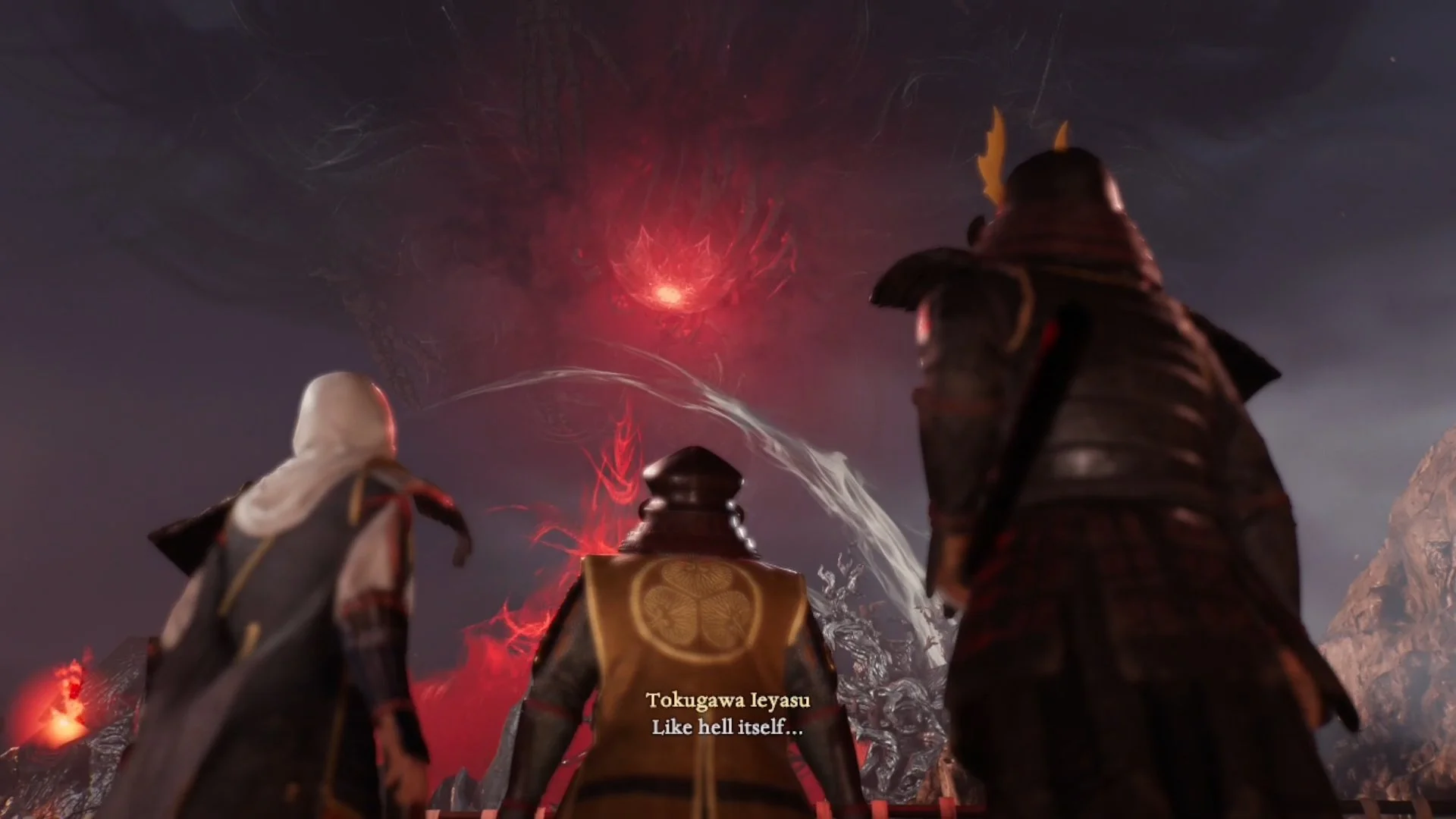
The biggest shift in Nioh 3 is immediately obvious. The game moves away from the more traditional mission-based structure of the previous entries and leans into something closer to an open-world format.
Now, I say “open world” carefully, because this is not a massive seamless world in the way some people might expect. Nioh 3 is more like a series of connected regions built around linear paths, shortcuts, side objectives, hidden encounters, and optional challenges. In that sense, it still keeps a lot of the tight level design that made the earlier games work.
And honestly, I think that was the right call.
Nioh has always been at its best when every corner feels dangerous, every enemy placement feels intentional, and every shortcut gives you that little “thank goodness” moment after barely surviving a fight. Nioh 3 does not completely abandon that design philosophy. Instead, it stretches it out into larger spaces and gives you more freedom in how you approach each area.
The new map system also helps with that. As you explore and complete activities, more points of interest slowly reveal themselves. The more you engage with the world, the more the region opens up. It is a smart loop because it encourages exploration without turning the game into a giant distraction buffet.
But here is where things get tricky.
After playing through the game twice, once solo and once in co-op, the structure started to show its seams. A lot of the open-world activities begin to feel repetitive. You start noticing the same types of objectives showing up from region to region, and eventually it feels less like you are exploring a living world and more like you are clearing out a checklist with a katana.
That does not ruin the game, but it does make me question whether Nioh really needed this format.
The best parts of Nioh 3 still come from the combat, the bosses, the builds, and the intensity of the moment-to-moment gameplay. The world gives you more to do, but not all of it feels meaningful. Some players are going to love having more space to explore. Others are probably going to miss the tighter mission structure of Nioh 1 and Nioh 2.
I can see both sides.
Combat Is Still The Star Of The Show
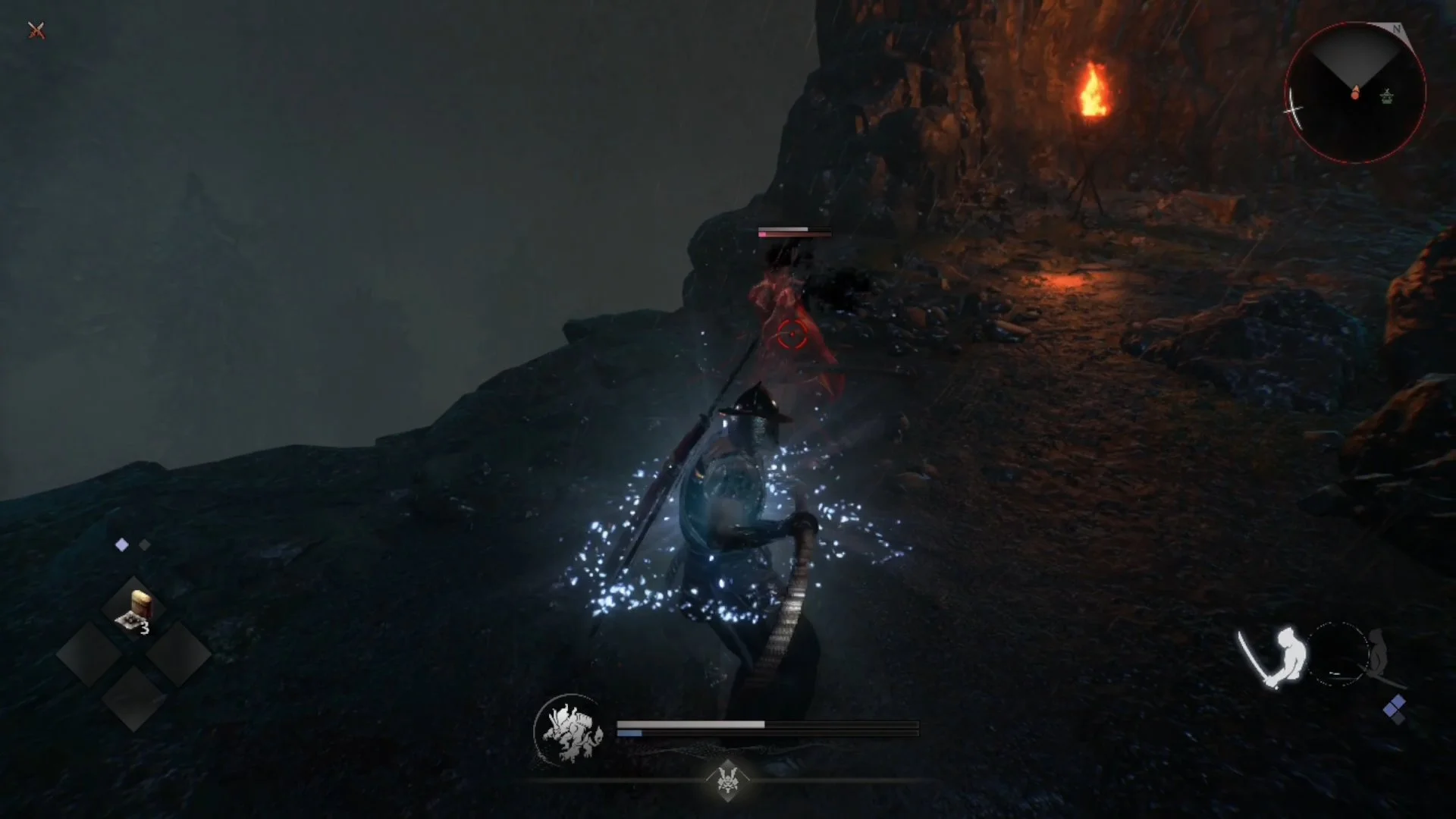
Thankfully, the combat is still excellent.
That is the foundation Nioh 3 stands on, and when it is firing on all cylinders, it reminds you exactly why this series is so special. The weapons feel great, the movement is sharp, and the game still has that fast, aggressive rhythm that separates Nioh from a lot of other Soulslikes.
This is not a game where you are just waiting for your turn to swing. Nioh wants you to stay active. It wants you managing stamina, reading enemy pressure, using your tools, and finding openings in the middle of danger. That flow is still here, and it still feels amazing when everything lines up.
There is a little more deliberation this time around too. Enemy encounters feel like they put more pressure on your positioning and timing. You cannot just mash through encounters and expect the game to forgive you. Nioh 3 still wants you to earn your wins.
That said, not every new combat addition lands the way it should.
Burst Breaks Feel Like A Missed Opportunity
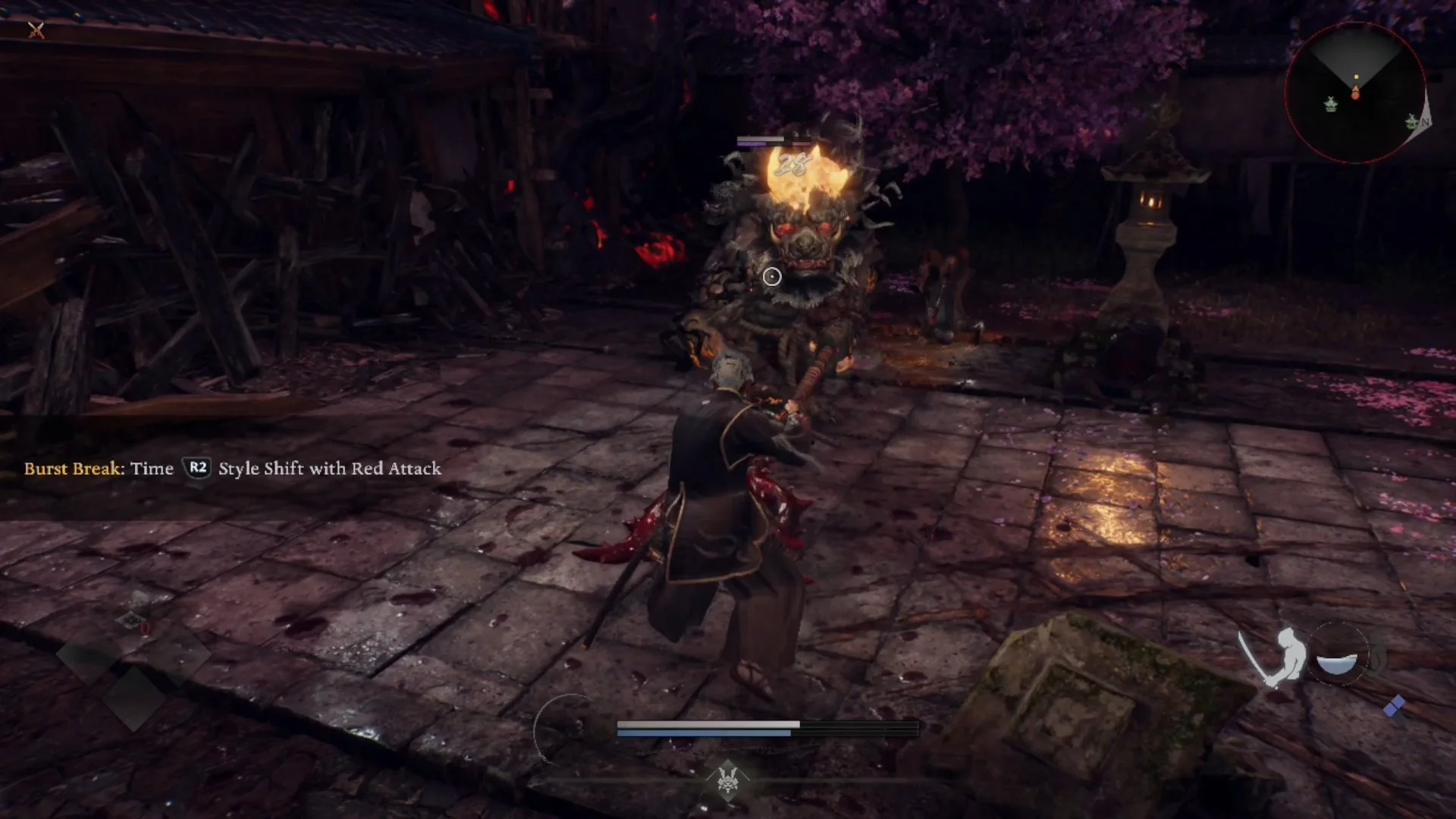
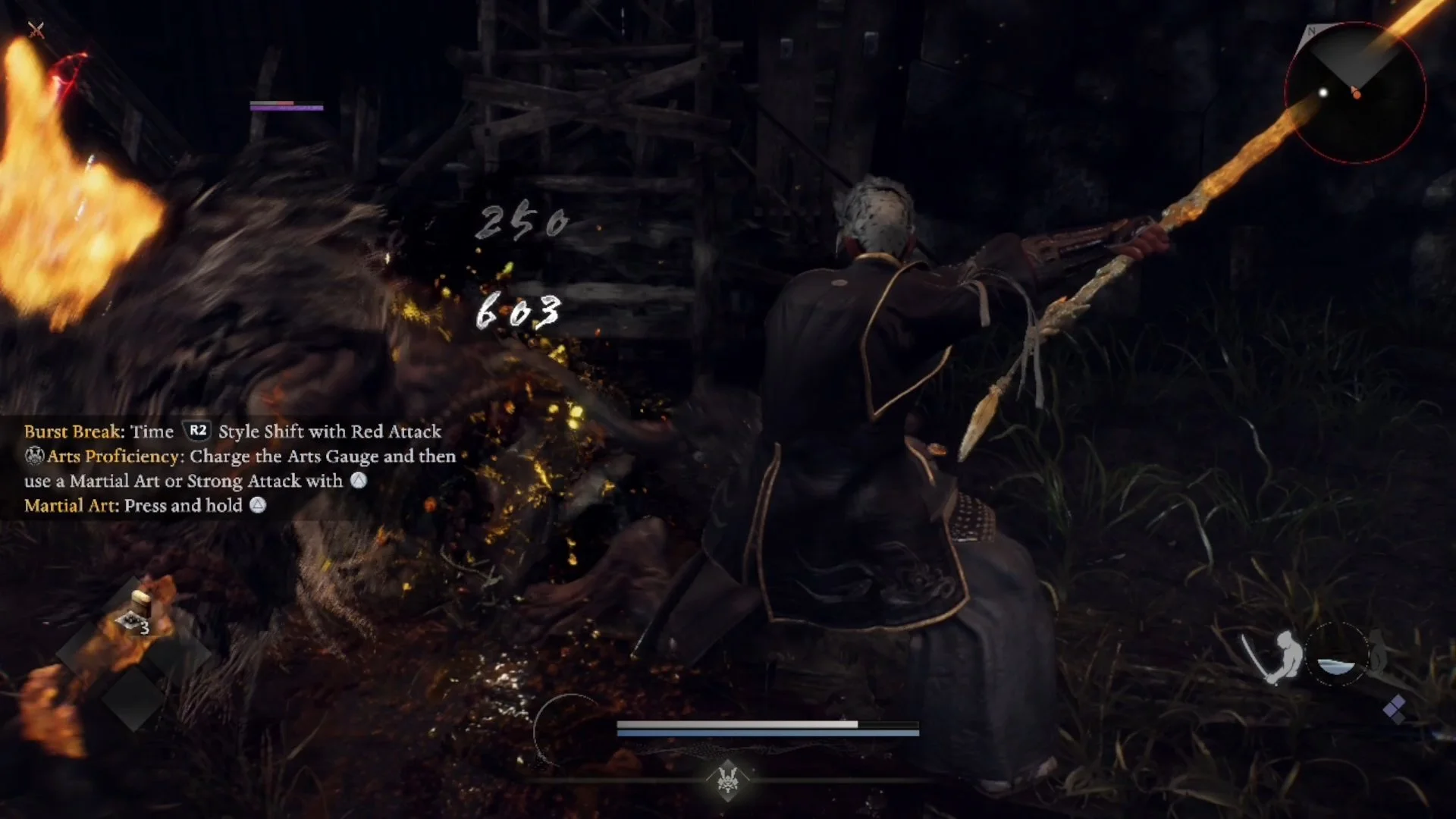
One of the new mechanics in Nioh 3 is Burst Breaks, which lets you repel certain powerful enemy attacks. On paper, this sounds like it should be one of the most satisfying tools in the game. A well-timed defensive counter in Nioh should feel incredible.
But in practice, Burst Breaks never quite hit as hard as I wanted them to.
They do not always feel impactful. They often fail to deliver the kind of meaningful Ki damage or stagger window that would make them feel essential. Compared to something like a perfect Ki Pulse, a clean dodge, or a well-executed offensive string, Burst Breaks feel strangely underwhelming.
That becomes even more noticeable later in the game when enemies hit harder, move faster, and punish mistakes more aggressively. I wanted Burst Breaks to feel like this powerful defensive answer. Instead, they often felt like a mechanic I used because the game wanted me to, not because I loved using it.
In a game as mechanically satisfying as Nioh, that kind of thing stands out.
Samurai And Ninja Change The Way You Play
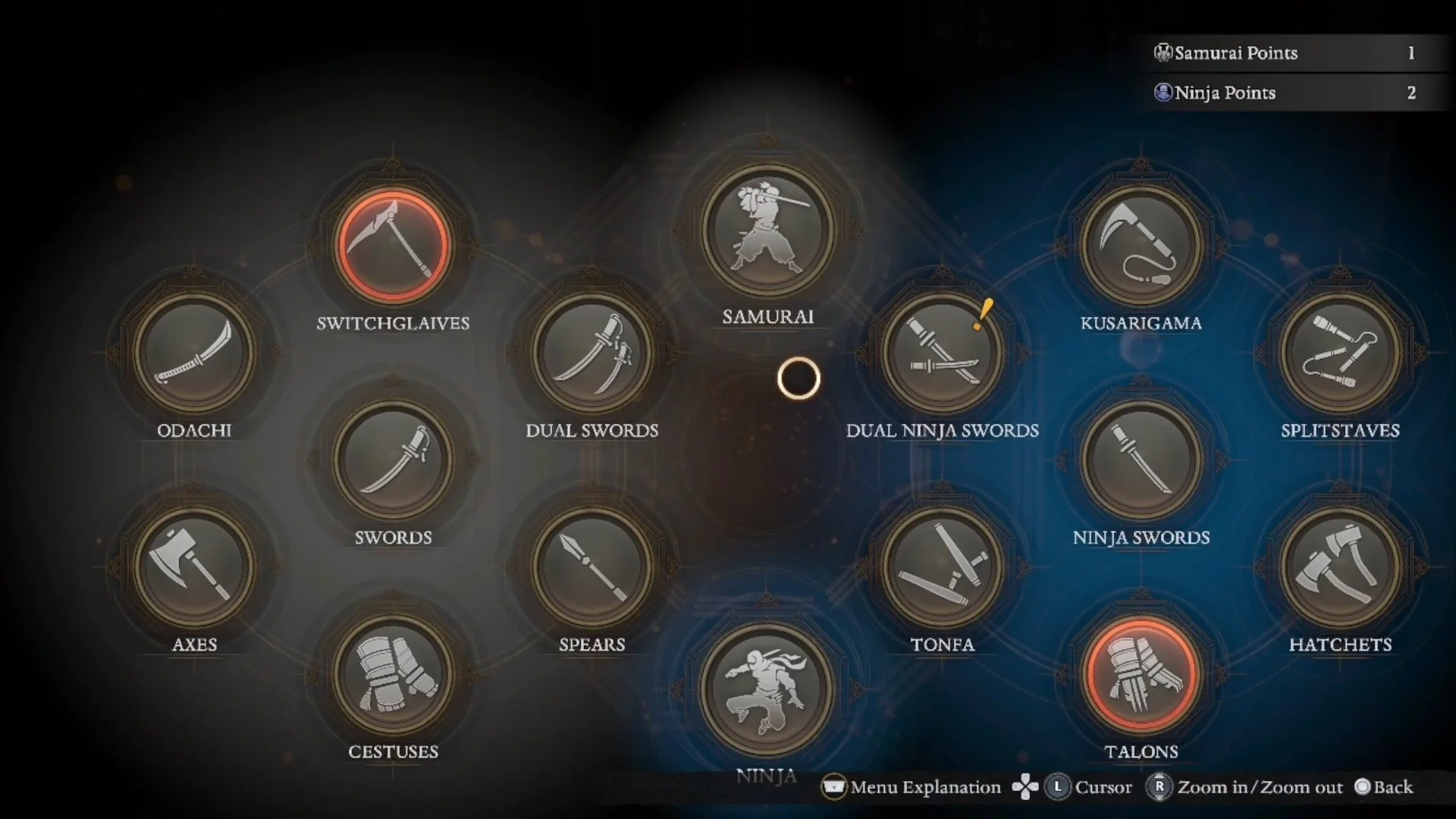
Another major change in Nioh 3 is the split between Samurai and Ninja playstyles.
This is going to be one of the more divisive parts of the game, especially for longtime fans. Some weapons from the previous games are now locked to Ninja, while others are tied to Samurai. On top of that, Ninja does not use the traditional stance system.
That is a big deal.
The stance system has always been a major part of Nioh’s identity. High stance, mid stance, low stance, each one gave you different options and let you express yourself through movement, pressure, defense, and weapon control. Removing that from Ninja makes the class feel distinct, but it also takes away a layer of flexibility that longtime players may miss.
At the same time, Ninja is extremely fun in its own way. It has strong mobility, great back-attack bonuses, and a flow that fits the new level design surprisingly well. Personally, I found myself playing Ninja more than I expected, even though one of my favorite weapons from the older games is now locked to Samurai.
That threw me off at first.
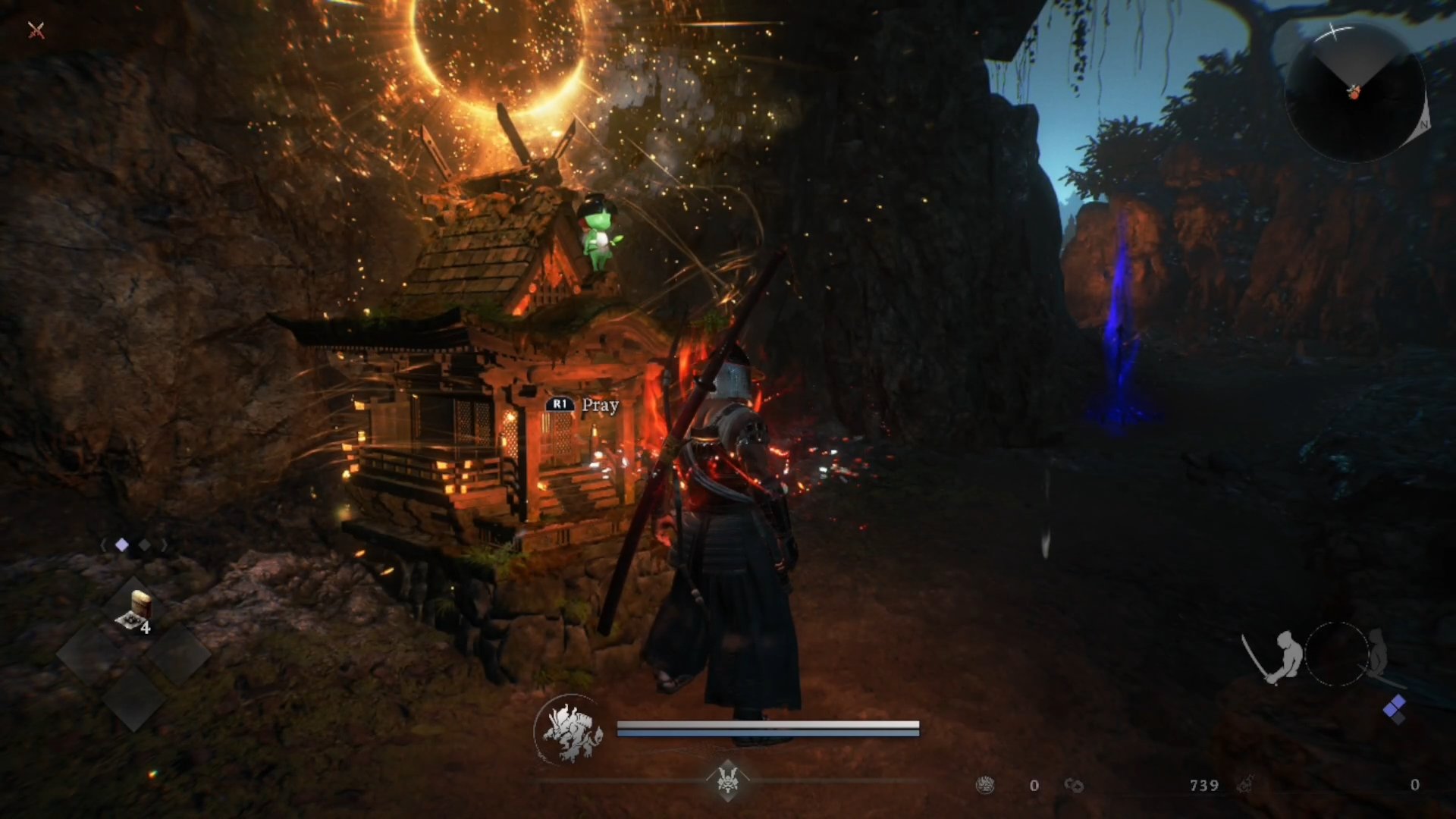
But the more I played, the more Ninja started to click with me. It felt fast, fluid, and well-suited to the way Nioh 3’s regions are built. I still miss the stance system, but I cannot deny that Ninja has a strong identity.
Samurai, on the other hand, feels closer to classic Nioh. If you are coming into this game wanting that familiar weapon mastery and stance-based combat, Samurai is likely where you will feel most at home.
Both styles are satisfying, but they create a different kind of Nioh experience. Whether that is a good thing or a frustrating thing will depend heavily on how attached you are to the previous games’ combat freedom.
Co-Op Is Fantastic, When It Works
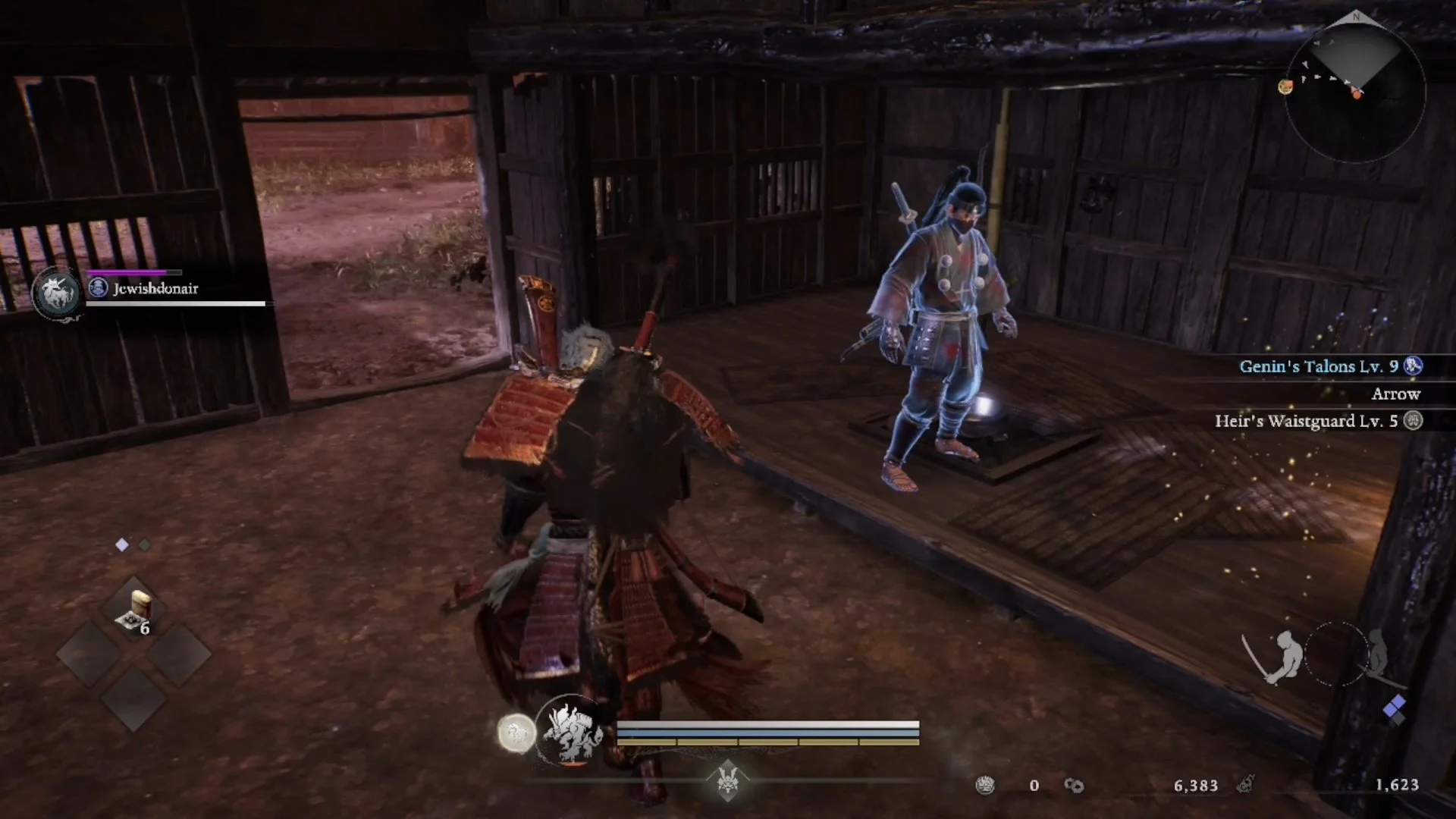
Co-op is easily one of the strongest parts of Nioh 3.
Being able to jump into another player’s world and run through the majority of missions together changes the entire experience. It opens up new strategies, makes certain builds shine, and turns some of the game’s toughest sections into absolute chaos in the best way.
I played through the game once solo and once in co-op, and I genuinely enjoyed both approaches for different reasons.
Solo is where Nioh 3 feels the most intense. Every mistake is yours. Every win feels earned. Boss fights, especially human bosses, are much more satisfying when it is just you and your opponent locked in.
Co-op, though, brings a different energy. It is more experimental. More explosive. You can coordinate attacks, cover each other, build around each other, and approach encounters in ways that solo play simply does not allow.
The issue is that co-op is not always smooth.
Network instability popped up more often than I would have liked. Sometimes it required restarting the game to fix connection issues, which is never fun when you are in the middle of a good session. It was not enough to completely ruin the experience, but it happened enough that I could not ignore it.
There is also the balance issue.
Human bosses in particular can become way too easy with another player. The game does sync your stats down based on the region, which helps, but it does not fully solve the problem. Some fights that felt intense solo became much less threatening in co-op.
Because of that, I would honestly recommend trying both. Play some of Nioh 3 alone. Play some of it with a friend. The game feels different depending on how you approach it, and both versions are worth experiencing.
Better Visuals, But Performance Holds It Back
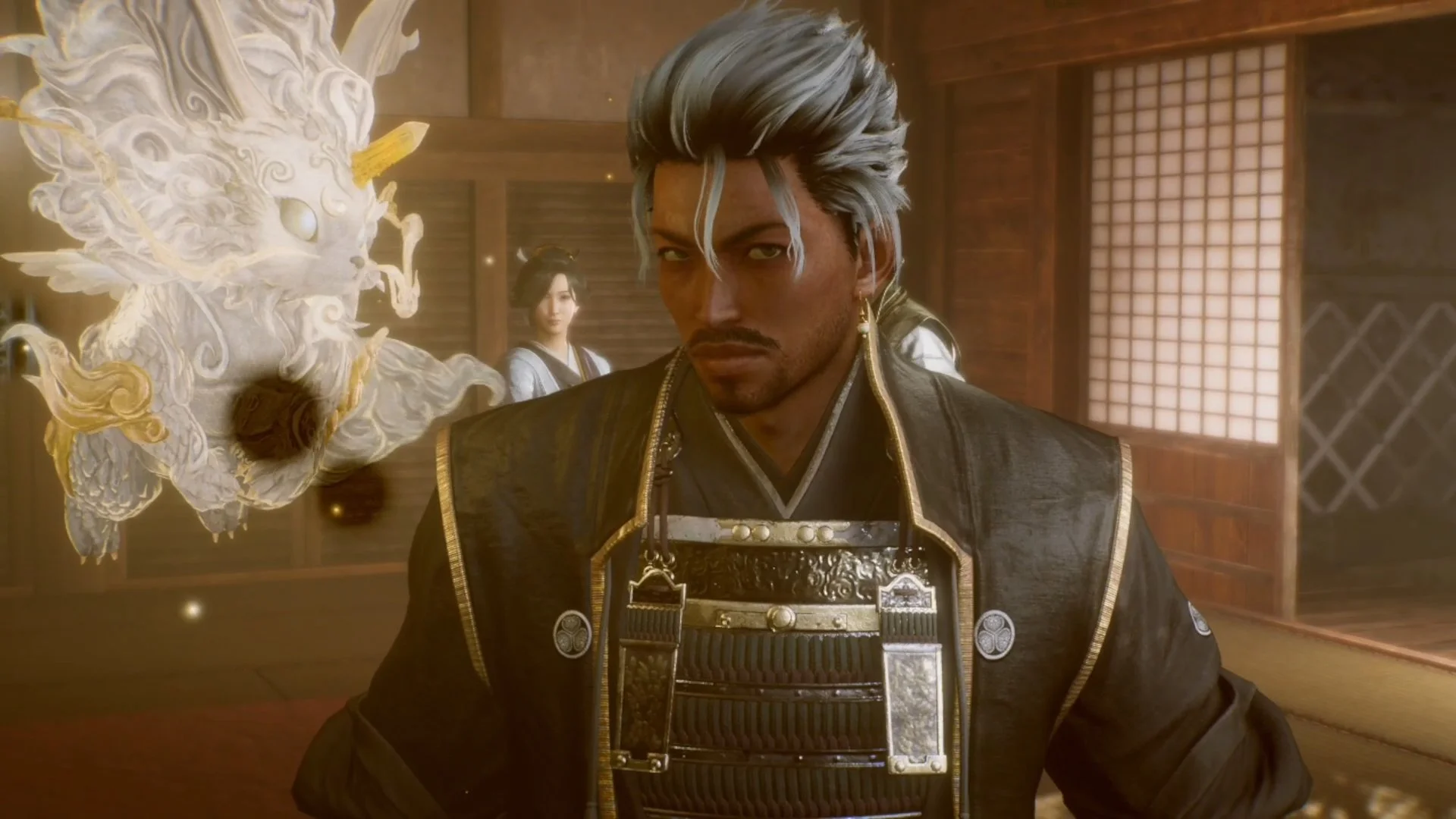
Visually, Nioh 3 is definitely a step up from the previous games, but it is not a massive leap.
Character models look better, environments have more detail, and the overall presentation feels cleaner and more polished. There are moments where the game really does look great, especially when the atmosphere, lighting, and enemy design all come together.
But performance is a real issue in certain areas.
The frame rate can take some noticeable hits, and that is a problem in a game where timing matters this much. Nioh combat demands precision, so when the performance starts to dip, you feel it immediately.
The environment can also be more dangerous than the enemies at times, and not always in a good way. Platforming is inconsistent, hazards can be unclear, and I ran into moments where it was hard to tell whether water was shallow or deep. I even had a few bugs where I clipped through solid ground.
That is the kind of stuff that pulls you out of the experience.
Nioh 3 is already a demanding game. I do not need the floor joining the boss roster.
Enemy Variety And Music Are Weaker Than Expected
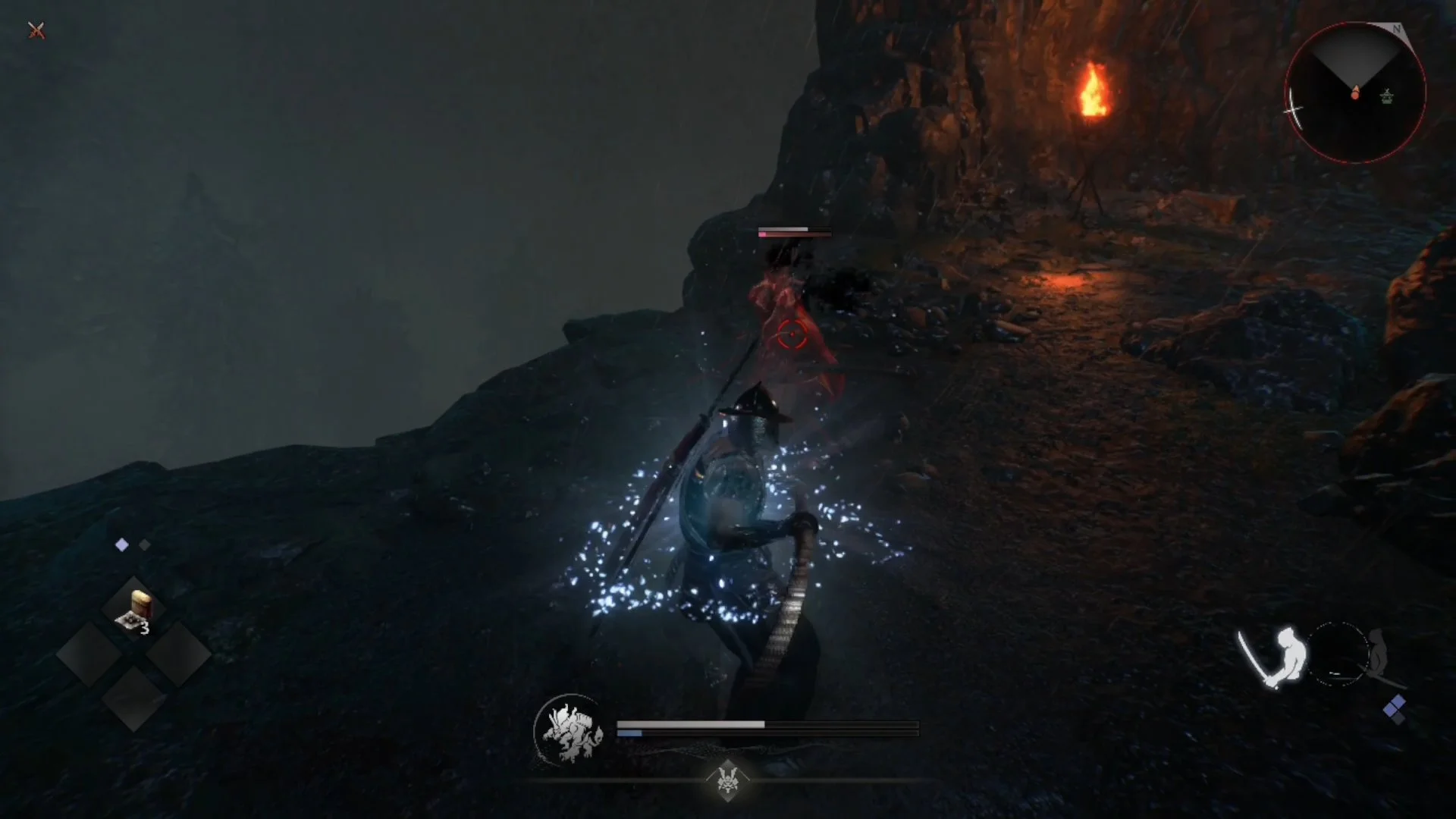
One of my bigger disappointments with Nioh 3 is the enemy variety.
There are familiar enemies that return with new behaviors, and some of those changes are appreciated. But across the full length of the game, there are not enough truly fresh encounters to keep things feeling as exciting as they should.
I also noticed a lot of recycled bosses from the first two games, especially in the open-world content. Some returning bosses are cool to see again, but when it happens too often, it starts to feel like the game is leaning on the past instead of building enough new identity of its own.
The music does not help either.
It is functional, but most of it fades into the background. For a game this intense, I wanted more tracks that elevated the moment. More music that made boss fights feel unforgettable. More themes that stuck with me after I turned the game off.
By the time I finished, I could only really remember one track.
That is disappointing for a game with this much scale and drama.
Menus, Builds, And Systems Are Still Very Nioh
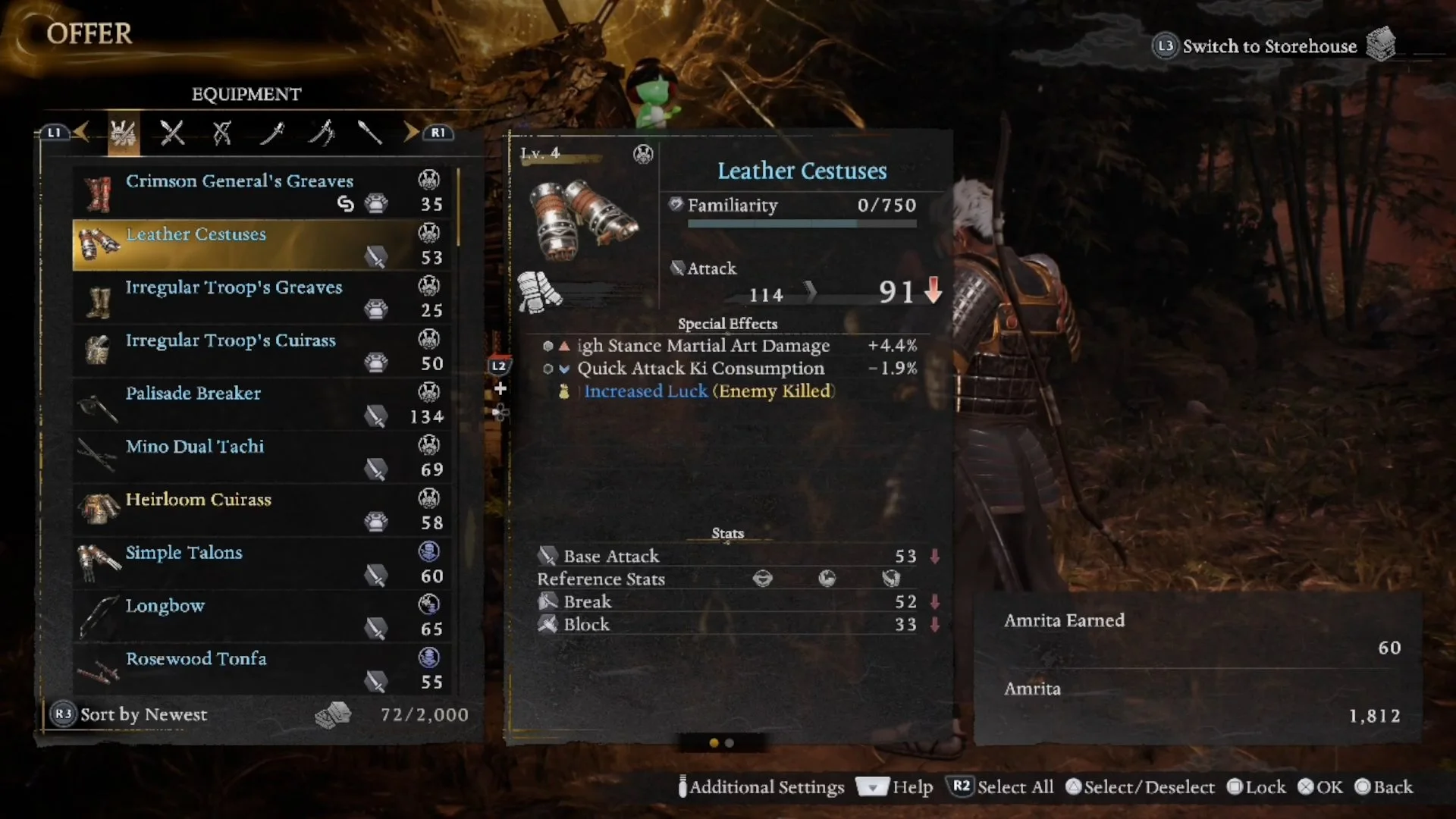
If you have played Nioh before, you already know what kind of menu experience you are getting here.
There is a lot going on.
Gear, skills, stats, upgrades, builds, abilities, systems layered on top of systems. Nioh 3 keeps much of the foundation from the first two games and adds its own ideas on top. Both Samurai and Ninja use a Sphere Grid-style upgrade system for learning new skills, similar to what was introduced in Nioh 2.
Longtime fans will probably enjoy digging through all of this. There is a lot to tweak, optimize, compare, and experiment with. If you are the type of player who enjoys theorycrafting, Nioh 3 gives you plenty to chew on.
Newer players may find it overwhelming.
That has always been part of Nioh’s identity, though. This series has never been afraid of menus. It throws numbers, gear, bonuses, skill trees, and upgrade paths at you like it is dumping out a toolbox and daring you to build something dangerous.
Builds are still viable, but they do feel a bit less fluid overall compared to what I would have wanted. This may matter more to hardcore players than casual ones, but it is something longtime fans will probably notice.
Final Thoughts
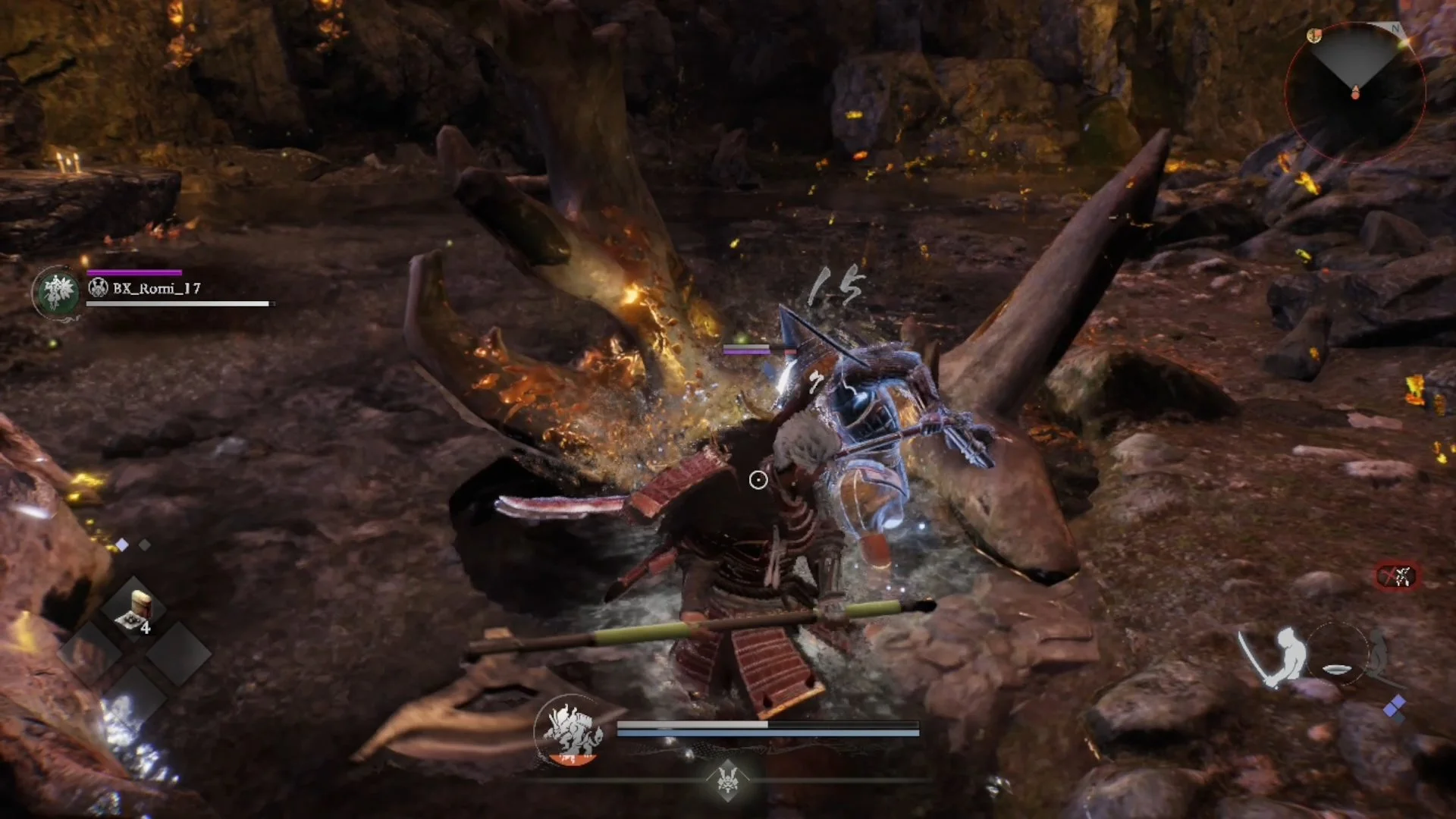
Nioh 3 is a fascinating sequel because it is both ambitious and familiar.
It tries to expand the series in a meaningful way with larger regions, more exploration, Samurai and Ninja playstyles, and broader co-op options. Some of those ideas work really well. Others feel like they needed more refinement.
The open-world structure gives the game more freedom, but it also introduces repetition. Combat is still fantastic, but Burst Breaks feel underwhelming. Samurai and Ninja are both fun, but the split may frustrate players who loved the flexibility of previous games. Co-op is excellent, but network issues and balance problems keep it from being seamless.
And yet, despite all of that, I still had a great time with Nioh 3.
Because at its core, this is still Nioh.
The combat still has that special rhythm. The weapons still feel satisfying. The challenge is still rewarding. The moment-to-moment gameplay still delivers something very few action RPGs can match.
Is Nioh 3 the best game in the series? For me, no.
But it is still an excellent action RPG and a strong continuation of one of the best Soulslike franchises out there. It may not reach the same peak as its predecessors in every area, but it understands what makes Nioh special.
For fans, this is absolutely worth diving into.
For newcomers, it is a demanding but rewarding entry point.
And for me, Nioh 3 is another reminder that even when this series trips over itself, it still swings sharper than most games chasing the same crown.